
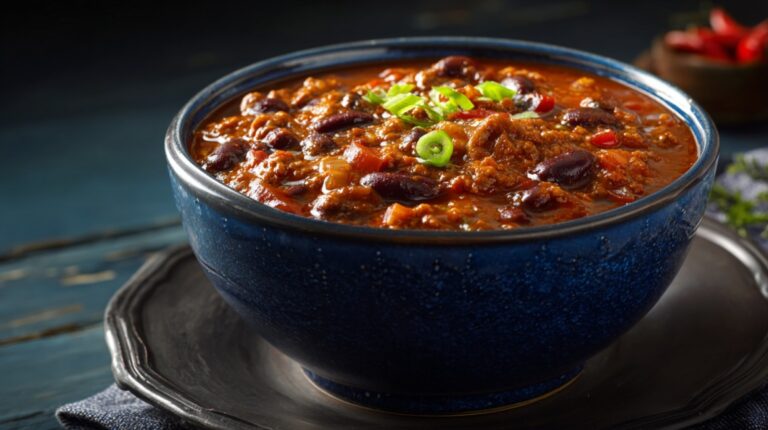
Chili remains a filling comfort food enjoyed year-round in many households. A single Bowl of Chili can deliver very different calorie totals based on ingredients, portion size, and preparation style.
Some versions stay close to 250 calories, while others climb past 400 calories with ease.
Meat choice, bean content, fat level, and toppings all influence the final nutrition profile.
Clear calorie comparisons help set realistic expectations for anyone tracking intake or planning balanced meals.
What Counts as a Bowl of Chili?
View this post on Instagram
| Chili Type | Calories | Carbs | Fat | Protein | Sodium |
|---|---|---|---|---|---|
| Checkers (12 oz) | 380 | 42g | 20g | 24g | 1,300mg |
| Generic (1 cup) | 256 | 19.7g | 14.2g | 13.5g | 978mg |
| Chili w/ Beans | ~275 | ~20g | ~13g | ~15g | ~900–1000mg |
A Bowl of Chili usually measures about 1 cup, roughly 240 to 250 grams. Some restaurants serve larger portions closer to 12 ounces or about 340 grams. Portion size alone can change calorie intake by more than 100 calories.
- A standard 1 cup serving averages about 256 calories for a generic chili
- A 12 oz fast food serving reaches about 380 calories
- Beans, meat type, sodium levels, and cooking fats significantly affect totals
Calorie estimates always depend on how full the bowl is and what goes inside.
Calorie Breakdown by Type
Different preparation styles create major differences in calories, fat, and sodium. Each Bowl of Chili below reflects common serving sizes and ingredient profiles seen in restaurants and home kitchens.
Fast Food Chili: Checkers 12 oz Bowl
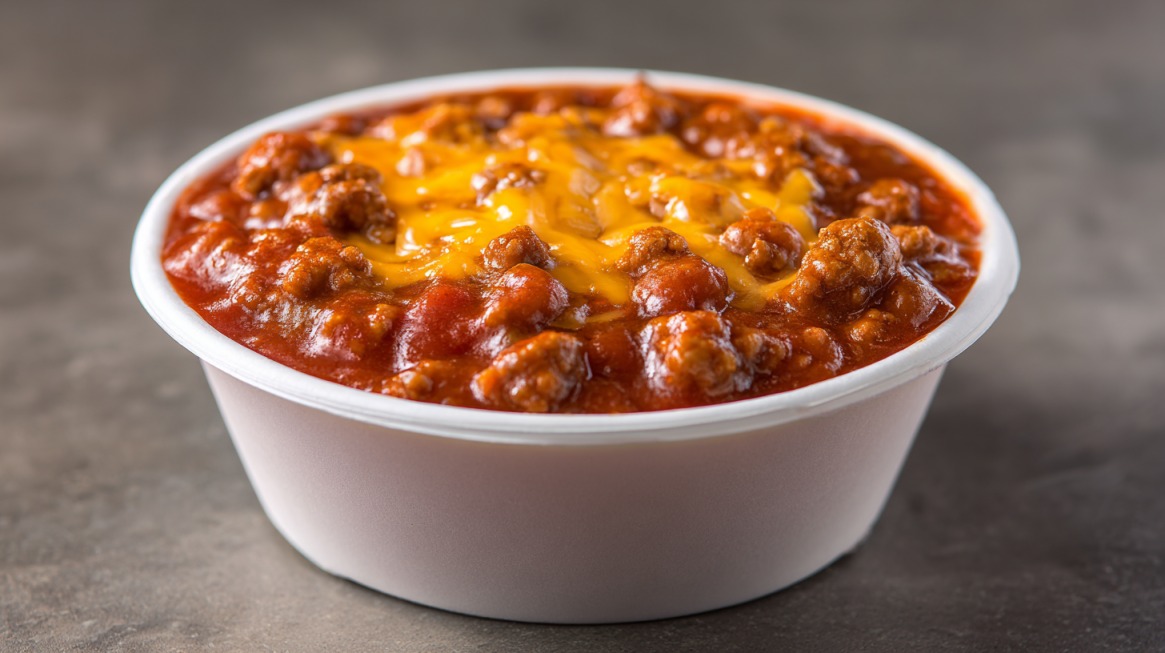
Fast food versions rely on higher-fat meats, added oils, and heavy seasoning to boost flavor and shelf stability. A single Bowl of Chili, served at 12 ounces, delivers a dense calorie load concentrated in fat and sodium.
Calorie intake reaches 380 calories per serving, which places this option at the upper end of common chili portions. Nutrient composition shows where those calories come from.
- Carbohydrates at 42g, largely tied to thickening agents and beans
- Protein at 24g, driven by beef content
- Fat at 20g, including 9g saturated fat
Additional components highlight the processed nature of fast food chili:
- Fiber remains low at 2g
- Sugar totals 8g
- Cholesterol reaches 65mg
- Sodium climbs to 1,300mg
Energy distribution explains how quickly calories add up:
- About 41 percent carbohydrates
- About 37 percent fat
- About 22 percent protein
Nutrition quality ranks low due to saturated fat and sodium levels. Burning off one Bowl of Chili of this size requires nearly 2 hours and 46 minutes of walking or close to 47 minutes of jogging. Convenience comes at a nutritional cost when portions grow this large.
Generic Homemade Style Chili 1 Cup
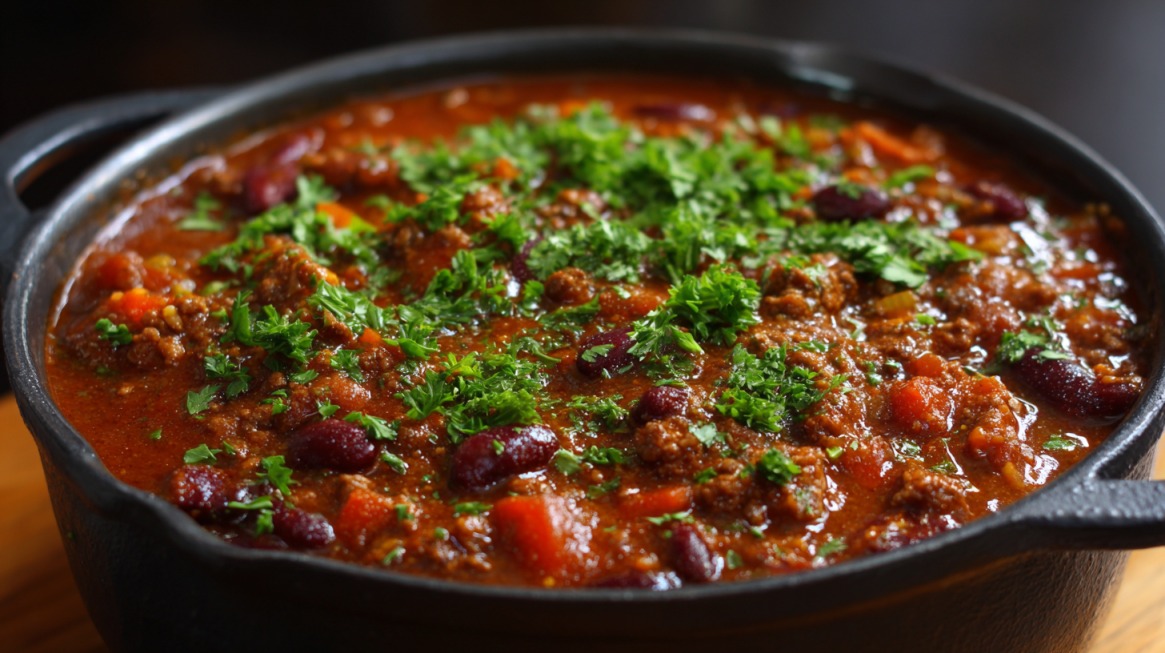
Home-cooked chili offers more control over ingredients and portion size. A standard 1-cup Bowl of Chili keeps calories moderate while improving fiber intake.
Calories average 256 per serving, making it easier to fit into balanced meals. Macronutrient distribution reflects a more even profile.
- Carbohydrates at 19.7g
- Protein at 13.5g
- Fat at 14.2g, including 5.25g saturated fat
Supporting nutrition data shows added benefits:
- Fiber rises to 6.1g
- Sugar drops to 5.7g
- Cholesterol measures 41mg
- Sodium totals 978mg
- Potassium reaches 629mg
Calorie contribution breaks down as roughly 49 percent fat, 30 percent carbohydrates, and 21 percent protein. Higher fiber content supports fullness and steadier energy without pushing calories too high.
A homemade Bowl of Chili suits regular meal planning more easily than fast food options.
Chili With Beans Standard Recipe
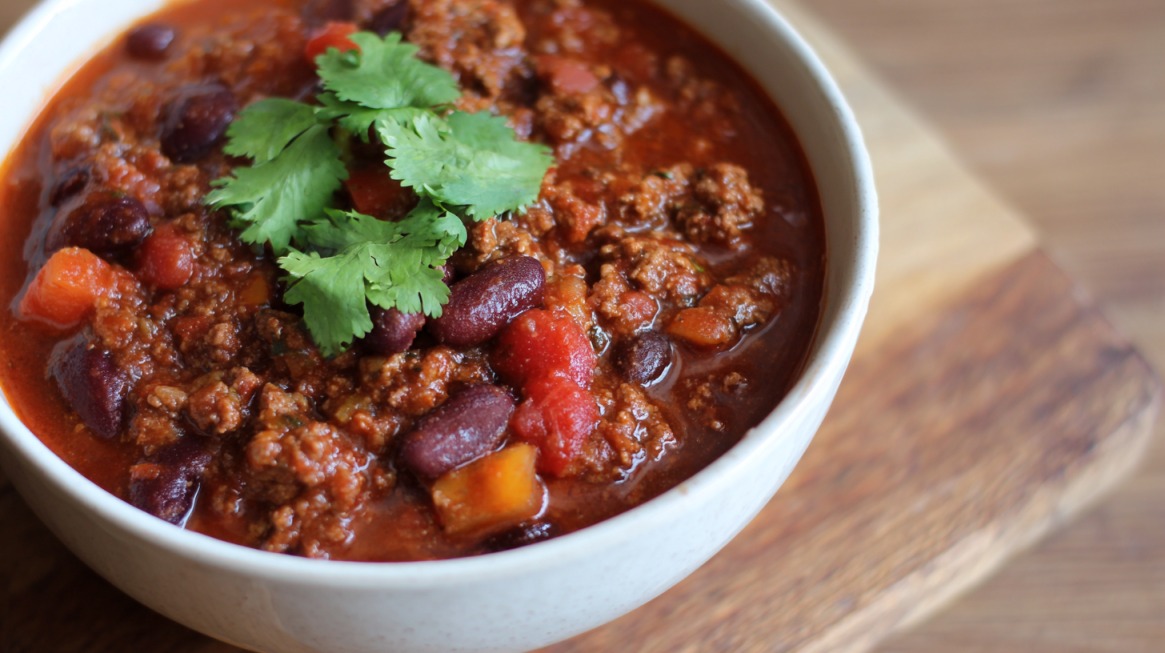
Bean-based recipes offer a balance between protein, fiber, and carbohydrates. A Bowl of Chili prepared with beans often feels more filling per calorie due to added volume and texture.
Calorie estimates typically range between 264 and 287 per cup, depending on meat choice and cooking method.
Ingredient selection plays a direct role in the final number.
- Higher fat ground beef pushes totals closer to 287 calories
- Lean turkey or chicken lowers totals toward 240 to 250 calories
Beans contribute more than calories alone. Fiber and plant-based protein improve satiety while supporting digestion. Vegetables such as tomatoes, onions, and peppers increase portion size with minimal calorie impact.
Lower-calorie results come easier when preparation focuses on lean meats, limited cooking oil, and skipping high-fat toppings like cheese or sour cream.
A thoughtfully prepared Bowl of Chili with beans delivers steady energy without excess calories.
Factors That Affect Calorie Count
Several elements determine how many calories end up in a Bowl of Chili.
Ingredient choices and preparation methods can shift totals by more than 100 calories without changing portion size.
Paying attention to these variables makes chili easier to adapt to different nutrition goals.
Protein Source
Protein selection creates one of the largest calorie swings. Meat fat content directly affects both calories and saturated fat levels.
- Ground beef with higher fat percentages raises calorie density quickly
- Lean turkey or chicken lowers total fat and trims overall calories
- Plant based proteins offer protein with minimal saturated fat
Choosing lean protein keeps a Bowl of Chili filling without unnecessary energy intake.
Beans or No Beans
Bean content influences carbohydrate and fiber levels at the same time. A bean-free chili may sit lower in carbs, but often lacks the same level of fullness.
- Carbohydrate content increases modestly
- Fiber intake rises, supporting satiety
- Plant-based protein adds structure to the meal
A Bowl of Chili with beans often feels more satisfying per calorie.
Toppings
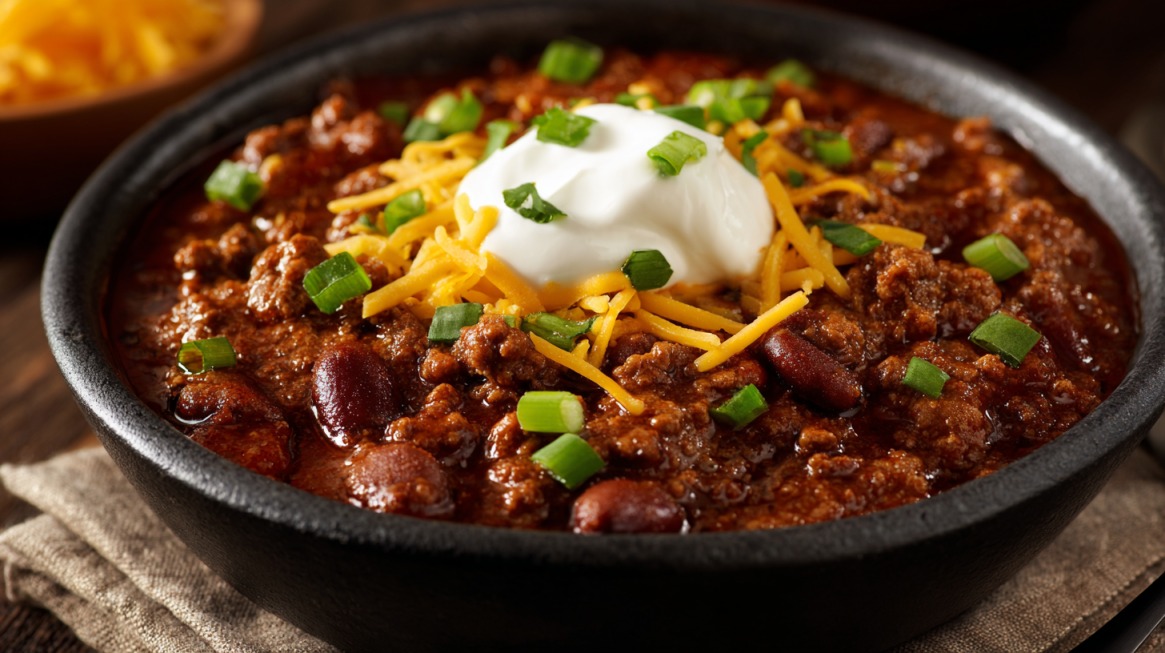
Toppings can quietly turn a moderate-calorie dish into a heavy one. Even small additions add up fast.
- Shredded cheese
- Sour cream
- Corn chips or crackers
Extra toppings can add 50 to 150 calories or more to a single Bowl of Chili, mostly from fat.
Cooking Method
Preparation style influences both calorie content and sodium levels. Cooking techniques that rely on natural simmering require less added fat.
- Slow cooking and pressure cooking limit the need for oils
- Pan frying ingredients first increases fat content
- Canned chili often carries higher sodium and preservatives
Home preparation offers better control over what goes into each Bowl of Chili.
Healthier Chili Options
Balanced chili does not require sacrificing flavor. Small ingredient swaps create meaningful improvements without changing portion size.
- Lean meats or plant-based proteins like lentils and black beans
- Extra vegetables such as bell peppers, zucchini, or corn for volume
- Low-sodium broth and spice-heavy seasoning for flavor control
- Lighter toppings or skipping them altogether
Portion awareness also plays a role. Keeping a Bowl of Chili within standard serving sizes helps align intake with daily calorie goals.
Minor changes add up quickly and improve overall nutritional quality.
Closing Thoughts
- Ingredients
- Portion size
- Preparation
Homemade versions using lean proteins, beans, and vegetables usually deliver better nutrition with fewer calories and less sodium.
Fast food chili remains convenient but often carries higher fat and salt levels. Smart ingredient choices keep chili satisfying without pushing calories too high.