
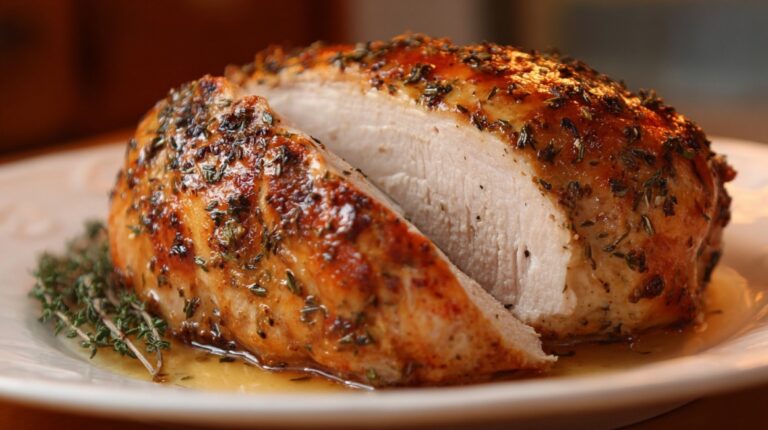
The goal centers on reheating a fully cooked turkey breast so the meat stays juicy, tender, and flavorful. Both bone-in and boneless cuts benefit when the heat is gentle and moisture is present.
Common mistakes lead to dryness quickly. High heat, uncovered pans, rushing the process, or slicing immediately after heating all cause moisture loss. Skipping resting time also pushes juices out onto the cutting board instead of keeping them inside the meat.
Expert insight supports a moisture-first approach. Proteins relax as heat rises slowly, rendering fat coats muscle fibers, and connective tissue softens into gelatin. Proper handling allows these processes to work together, resulting in succulent turkey instead of chalky slices.
Let’s take a look at the process in detail.
Pre-Heating Preparation
Proper preparation sets up juicy results before any heat is applied. Fully cooked turkey breast still behaves like uncooked meat during reheating, meaning proteins tighten, moisture escapes, and texture can change quickly if steps are rushed.
Care taken early protects flavor and tenderness later. Temperature management and moisture control at this stage determine how well the turkey responds once heat is introduced.
Thawing if Frozen
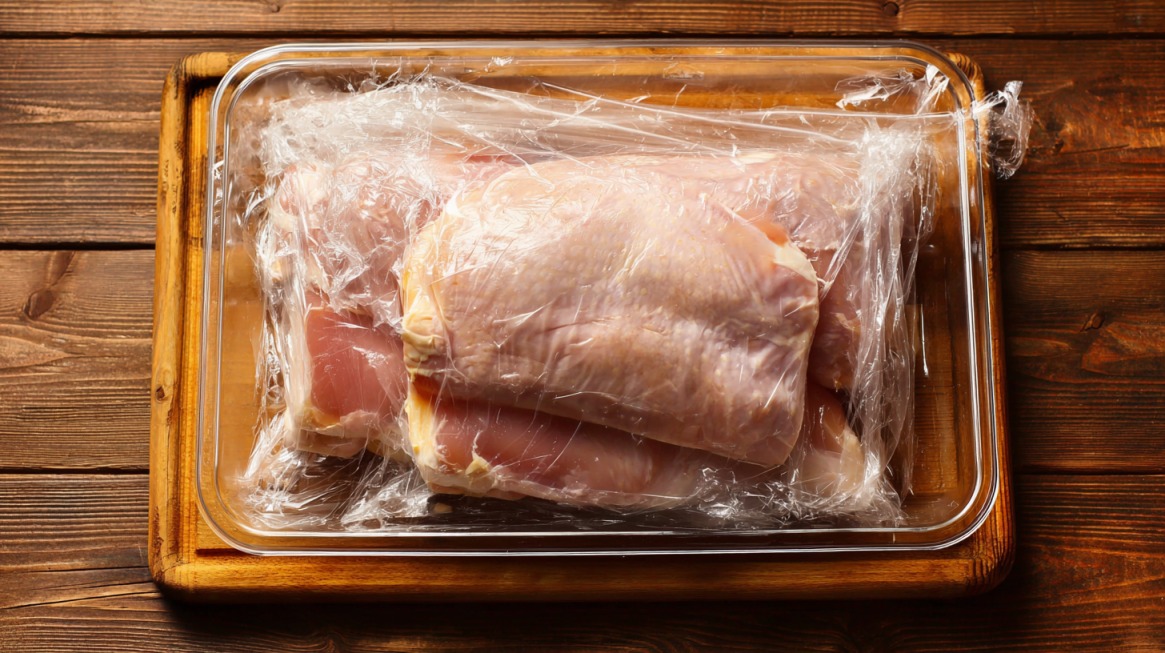
Safe thawing preserves texture and prevents moisture loss during reheating. Ice crystals formed during freezing can puncture muscle fibers, so slow and even thawing keeps meat intact and juicy.
Refrigerator thawing delivers the most reliable outcome for both quality and safety. Planning ahead avoids uneven thawing and temperature stress.
- Allow roughly 24 hours for every 4 to 5 pounds of turkey
- Expect a 6-pound turkey breast to thaw in about 36 hours
- Place the turkey on a tray or shallow pan to collect condensation and protect other foods
Cold water thawing works faster but requires active attention. Wrapped turkey must remain sealed and fully submerged in cold water, with frequent water changes to maintain safe conditions.
- Replace water every 30 minutes
- Cook the turkey immediately after the thawing finishes
- Avoid overnight thawing due to temperature fluctuation risks
Bringing Turkey to Room Temperature
Gradual warming before reheating supports even heat distribution. Turkey transferred straight from cold storage into heat often dries along the outside before the center warms.
Resting the turkey at room temperature for 30 to 60 minutes reduces temperature shock. Muscle fibers relax more evenly, allowing heat to move inward at a steady pace.
- Reduced risk of dry outer layers
- Faster and more uniform reheating
- Improved texture once sliced and served
Bringing Turkey to Room Temperature
Gradual warming before reheating supports even heat distribution. Turkey moved directly into heat, while still cold, tends to overcook along the outside before the center warms.
Resting the turkey at room temperature for 30 to 60 minutes reduces temperature shock. Muscle fibers relax more evenly, which helps retain internal moisture.
- Reduced risk of dry outer layers
- Faster, more even reheating
- Better texture once sliced
Flavor-Boosting Tips Before Reheating

Flavor additions work best before reheating begins. Fully cooked turkey absorbs aromatics and fats as it warms, allowing seasoning to penetrate rather than sit on the surface.
Small enhancements at this stage make reheated turkey taste freshly prepared instead of leftovers.
Butter or Oil-Based Rub
Softened butter or neutral oil adds flavor while protecting moisture. Fat slows evaporation and creates a barrier that keeps meat supple during reheating.
Classic seasonings complement turkey without overpowering it. Herb and citrus additions elevate aroma and taste while keeping flavors balanced.
Effective mix-ins include thyme, rosemary, sage, minced garlic, and lemon or orange zest. Application under the skin produces the best result, since butter melts gradually and bastes the breast naturally as heat rises.
Adding Moisture with Broth and Aromatics
Liquid in the pan creates a humid environment that limits moisture loss. Even a small amount of broth significantly improves reheating results.
Add one quarter to one half cup of chicken or turkey broth to the bottom of a roasting dish, keeping the liquid below the meat.
- Sliced onions soften and release sweetness
- Citrus wedges add light acidity
- Fresh herbs perfume the enclosed space
- Mushroom powder gives it a special taste
Steam generated during reheating gently rehydrates meat and protects the surface from drying.
Best Heating Methods for Juicy Results
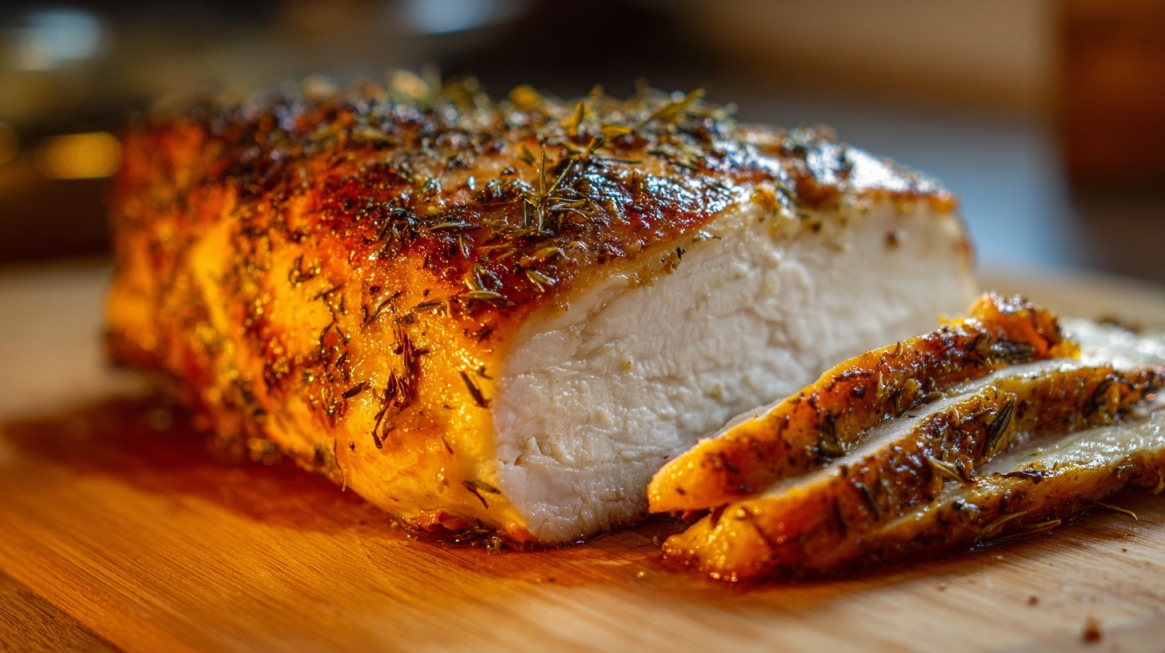
Heating method choice influences texture, moisture, and appearance. Gentle heat paired with moisture consistently delivers the best outcome.
Oven Method
Oven reheating provides the most control and works well for most turkey breast sizes. Covered roasting traps steam while allowing gradual warming.
Preparation follows a simple structure. Preheat oven to 325°F, place turkey breast in a roasting pan with broth and aromatics, then cover loosely with foil to hold moisture.
- Heat until turkey reaches 140 to 160°F
- Remove foil during the final 15 minutes if crispier skin is desired
Estimated heating times help with planning:
- 2 to 2.5-pound bone-in breast needs about 60 to 70 minutes
- 4 to 6-pound whole breast takes roughly 1.5 to 2.25 hours
- 6 to 8-pound breast may require up to 3.25 hours
Digital thermometers ensure accuracy. Pop-up thermometers activate too late and frequently lead to dry meat.
Slow Cooker Method
Slow cookers suit hands-off reheating with excellent moisture retention. Gentle heat surrounds the turkey evenly without drying the surface.
Place the turkey breast inside the cooker with one quarter to one half cup of broth and aromatics. Cover and heat on low until internal temperature reaches 140 to 160°F, usually within 2 to 3 hours.
Texture turns very tender and evenly flavored. Skin softens rather than crisping, making this method ideal when moisture takes priority.
Air Fryer Method
Air fryers work well for smaller portions or boneless breasts. Circulating heat reheats quickly but demands close monitoring.
Preheat air fryer to 300 to 325°F. Pat skin dry, then rub butter and herbs under the skin. Heat for 15 to 20 minutes, flipping halfway if thickness requires.
- Target internal temperature of 140 to 150°F
- Begin checking early due to rapid heat circulation
Using a Meat Thermometer
View this post on Instagram
Accurate temperature measurement protects juiciness, and you can achieve this by using a meat thermometer. Fully cooked turkey only needs reheating, not additional cooking.
Ideal internal temperature falls between 140 and 160°F. Exceeding 165°F tightens proteins and forces moisture out.
- Insert into the thickest part of the breast
- Avoid contact with bone
- Use a digital instant-read thermometer for quick results
Carving and Serving
Resting the turkey after reheating allows juices to redistribute throughout the meat. Cutting too soon releases moisture and creates dry slices.
Allow the turkey to rest for 15 to 20 minutes before carving. Texture improves noticeably during this pause.
- Slice against the grain to shorten muscle fibers
- Serve slices with pan drippings or warmed gravy to restore surface moisture
Storing Leftovers
Prompt storage preserves quality and safety. Leftovers should move into refrigeration within two hours of reheating.
Airtight containers slow moisture loss, especially when paired with a spoonful of broth or gravy.
- Refrigerated turkey keeps for 3 to 4 days
- Frozen turkey lasts up to 2 months when wrapped tightly in foil and sealed in a freezer-safe bag
Final Tips and Recap
Moisture remains essential at every stage. Broth, butter, and gentle steam protect turkey breast during reheating.
Low temperatures work best. Keeping oven heat at or below 325°F prevents protein tightening and dryness.
Resting time matters as much as heating. Skipping rest leads directly to dry meat.
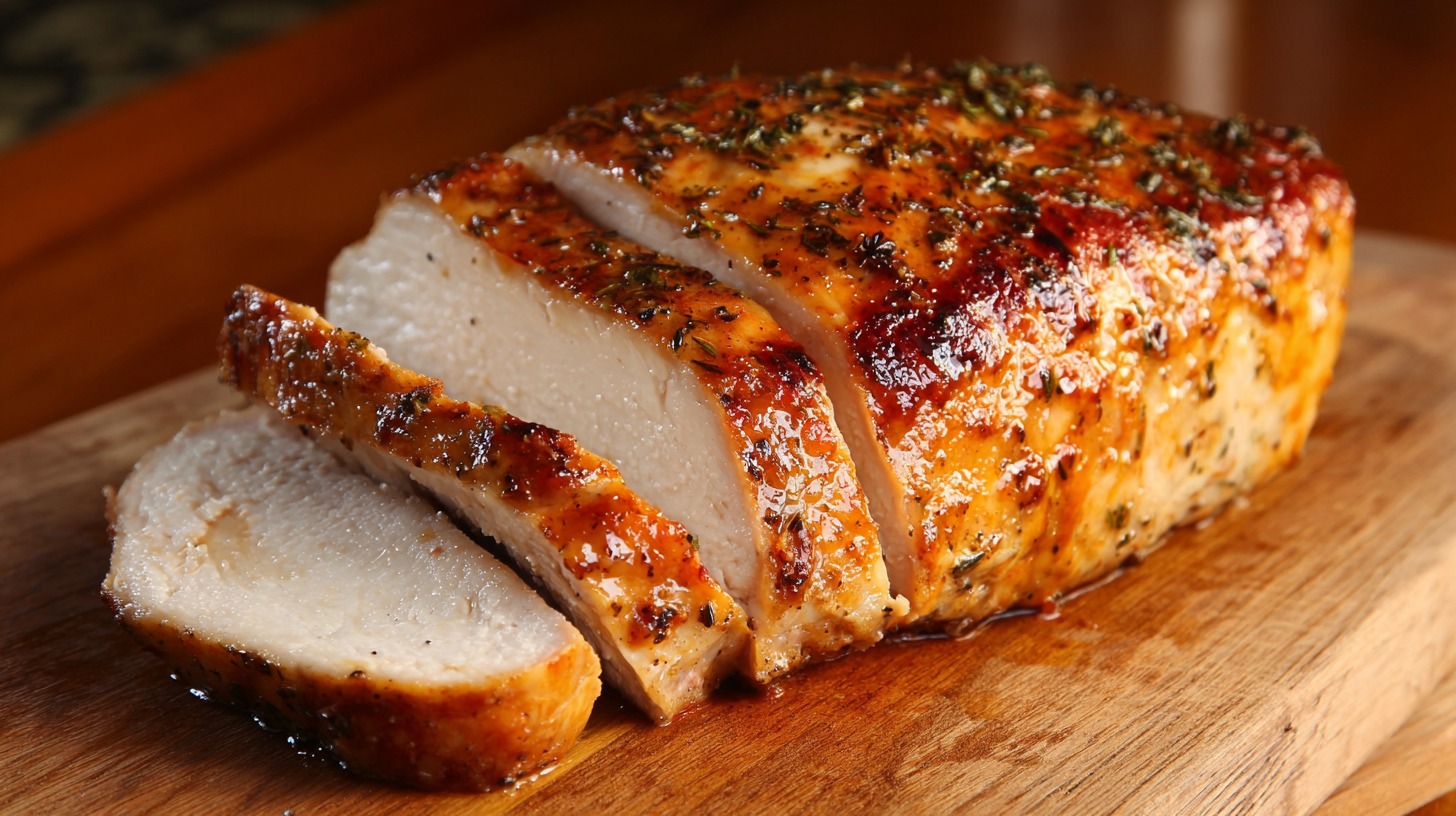
Layered flavor using aromatics, fats, and proper handling delivers juicy turkey that tastes freshly cooked rather than reheated.