
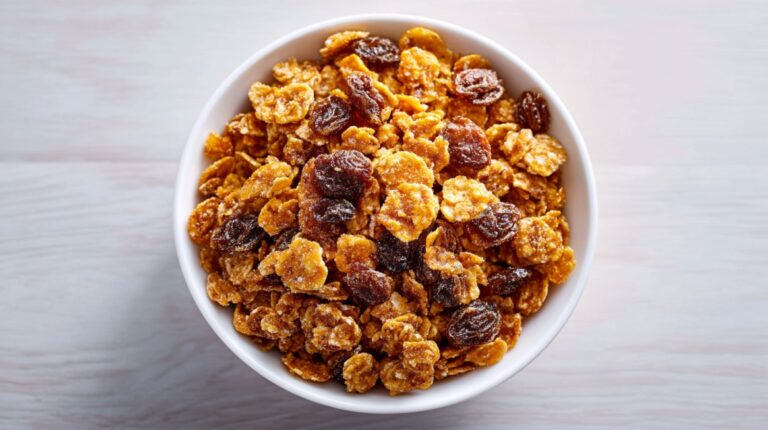
Raisin Bran is often marketed as a wholesome, high-fiber breakfast choice aimed at health-conscious consumers. Packaging, advertising, and brand messaging emphasize whole grains, fiber, and natural sweetness from raisins.
Despite that image, sugar content in many Raisin Bran varieties rivals or exceeds cereals commonly labeled as sugary treats, including Frosted Flakes and Froot Loops. That contrast raises concerns for people focused on weight management, blood sugar stability, or heart health.
What are are about to talk about evaluates Raisin Bran as a breakfast option by reviewing ingredients, nutrition data, health benefits, drawbacks, and comparisons to lower-sugar alternatives.
What’s in Raisin Bran?
View this post on Instagram
Ingredient lists and nutrition panels reveal how Raisin Bran earns its healthy image while also explaining ongoing sugar concerns. Examining components and nutrient values provides clarity on what ends up in each bowl.
Common Ingredients
Most versions, including Kellogg’s Raisin Bran and Raisin Bran Crunch, rely on similar foundations built around grains and sweeteners.
Ingredient quality varies slightly by formula, with Crunch varieties leaning more heavily into processed additions.
Primary components shape texture, flavor, and nutrition in specific ways.
- Whole grain wheat and wheat bran supply structure, bulk, and most of the fiber content
- Raisins contribute natural sweetness along with small amounts of potassium and plant compounds
- Sugar and brown sugar syrup appear consistently across major brands
- Honey, corn syrup, palm oil, and vegetable glycerin show up more often in Raisin Bran Crunch
- Artificial colors and artificial sweeteners are typically absent
Ingredient simplicity helps support a cleaner label image, though multiple sugar sources still drive sweetness levels higher than many consumers expect.
Serving Size and Macronutrients
Portion size plays a major role in how Raisin Bran fits into a daily diet. Nutrition data reflects a standard serving of about 1 to 1¼ cups, which many people exceed unintentionally.
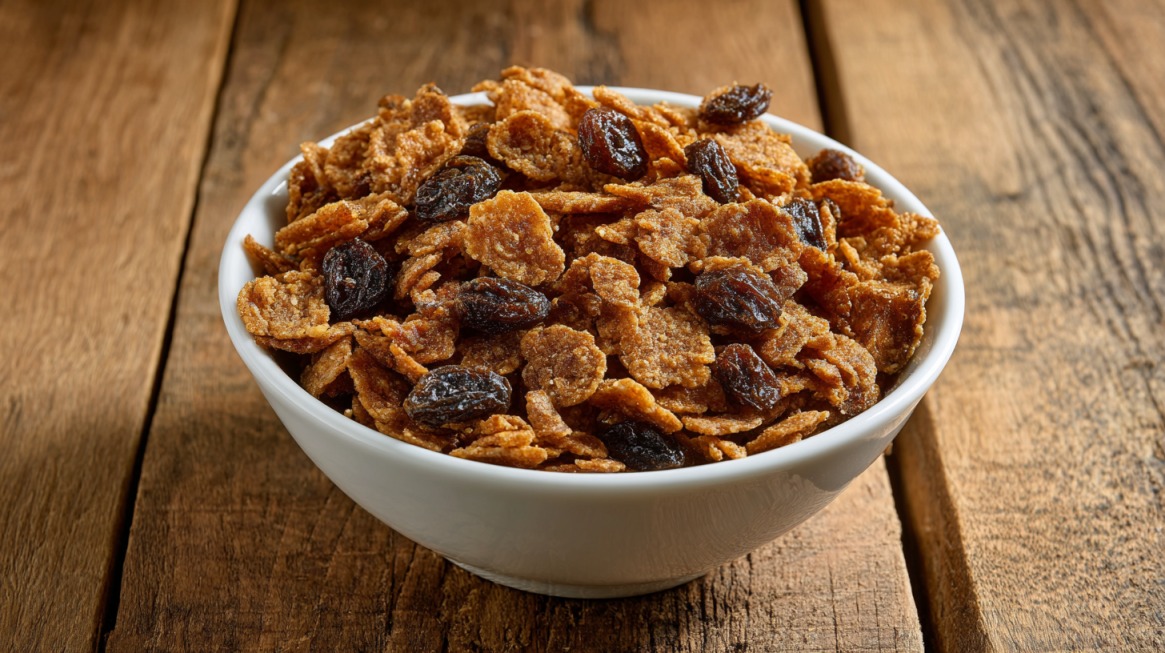
- Calories fall between 180 and 190
- Carbohydrates range between 45 and 47 grams
- Fiber reaches about 7 grams, covering roughly 25 to 30 percent of daily needs for women
- Total sugar sits between 17 and 19 grams
Added sugar levels differ by product type, creating meaningful nutritional gaps.
- Original Raisin Bran provides about 9 grams of added sugar
- Raisin Bran Crunch reaches about 13 grams, exceeding Frosted Flakes at 12 grams
Protein averages close to 5 grams per serving, while fat remains minimal at 1 gram or less, often with zero saturated fat.
Fortified Nutrients
Manufacturers enrich Raisin Bran with vitamins and minerals to improve nutritional value. Fortification levels depend on brand and formulation.
- Iron supplies roughly 6 to 25 percent of the daily value
- B vitamins such as B12, niacin, and folate can reach high daily value percentages
- Potassium, magnesium, and phosphorus appear in moderate amounts
Fortification helps offset some drawbacks tied to sugar content, yet added vitamins do not eliminate metabolic concerns linked to frequent intake.
Health Benefits of Raisin Bran
@erinsimpsonlozier Homemade Cereal Series Part 9: Raisin Bran! This is my favorite homemade cereal so far because Raisin Bran cereal was my go-to as a kid and I still love it. I opted to do a lightly sweetened version, but the sugar is ranged if you want it sweeter like store-bought. I also made two batches of flakes to fill the jar (plus leftovers). 😊 Homemade Raisin Bran Recipe 1/2 cup (57 g) whole wheat flour 1/2 cup (32g) wheat bran 2- 3 Tbsp. (26 g – 39g) Sugar 1/4 tsp. salt 2 tsp. (15g) Blackstrap Molasses or 1 tsp. honey 2/3 cup water 1/4 tsp. salt 1/4 cup raisins 1/4 tsp. Sugar for the raisins Preheat oven to 350°F. Combine all of the ingredients except for the raisins in a bowl and stir to thoroughly combine. Line two sheet pans with parchment paper and divide the batter between them. Bake 10-13 minutes or until dry and the dough easily pulls off of the parchment paper. Cool the pans slightly and reduce the oven temperature to 250°F. Tear the dough into flakes (you can break them smaller once they are fully cooked) and return to the oven for 30-40 minutes more or until completely dry and crisp. Cool completely. In a small bowl toss the raisins with the 1/4 tsp. sugar to coat. Toss with the flakes. Enjoy. #homemade #homemadecereal #homemadecerealseries #cerealseries #raisinbran ♬ original sound – Erin Simpson Lozier
Balanced evaluation requires acknowledging positive attributes alongside drawbacks. Fiber, whole grains, and added nutrients provide legitimate benefits when portions remain controlled.
High Fiber Content
Fiber remains one of Raisin Bran’s strongest advantages. Around 7 grams per serving supports digestive health, promotes regular bowel movements, and increases satiety.
Fiber intake at that level helps close daily gaps, especially for adults falling short of recommended targets.
Digestive and appetite benefits become more noticeable when cereal intake stays within serving guidelines and pairs with protein or healthy fats.
Whole Grains
Whole grain wheat and bran contribute to improved cholesterol markers and cardiovascular health.
Diets higher in whole grains show associations with lower LDL cholesterol and reduced heart disease risk.
Glycemic response also tends to remain lower compared to cereals made primarily with refined grains.
Whole grain structure slows digestion, helping moderate energy release during the morning.
Micronutrient Support
Fortified iron supports oxygen transport and energy production, offering benefits for individuals with higher iron needs.
Raisins add potassium and antioxidant compounds that support cellular health. B-complex vitamins assist metabolism and nervous system function.
Micronutrient density strengthens overall nutrition quality despite sugar concerns.
Convenience Factor
Preparation requires minimal effort, fitting easily into busy schedules. Serving flexibility allows pairing with milk, yogurt, or fresh fruit.
Absence of artificial colors and sweeteners may suit consumers prioritizing simpler ingredient lists.
Convenience remains a practical advantage, particularly when balanced thoughtfully.
Health Concerns and Drawbacks

Positive attributes coexist with nutritional issues that limit Raisin Bran’s role as a daily staple. Sugar content and macronutrient balance drive most concerns.
High Added Sugar Levels
Sugar content remains the primary drawback. Raisin Bran Crunch delivers about 13 grams of added sugar per serving, placing it among the highest-sugar mainstream cereals. Original Raisin Bran still supplies roughly 9 grams.
- Suggested limits sit near 24 grams for women and 36 grams for men
- Sugar sources include sugar, brown sugar syrup, honey, corn syrup, and molasses
Multiple sweeteners amplify total sugar load without adding meaningful satiety.
Blood Sugar Impact
Fiber slows carbohydrate absorption, yet sugar quantity combined with refined processing in Crunch varieties can still drive blood sugar spikes.
Individuals managing diabetes, insulin resistance, or acne may experience negative effects tied to insulin response.
Portion size and food pairing strongly influence glycemic outcome.
Low Protein Content
Protein content averages about 5 grams per serving, which often fails to sustain fullness.
Meals high in carbohydrates and sugar but low in protein commonly lead to early hunger and energy crashes later in the morning.
Protein gaps explain why many people feel hungry soon after eating cereal alone.
Calorie Density and Overeating
Calories accumulate quickly once milk enters the bowl. One serving combined with half a cup of milk reaches roughly 230 calories.
Palatability and low protein make larger portions easy to pour. Raisin Bran Crunch also contains palm oil and vegetable glycerin, ingredients associated with ultra-processed foods.
Mindless portioning increases total calorie intake without improving satiety.
Gluten Content
Whole wheat and wheat bran make Raisin Bran unsuitable for individuals with celiac disease or gluten sensitivity.
Gluten-free alternatives remain necessary for those populations.
Is Raisin Bran Good For Specific Goals?
Suitability varies depending on health priorities, portion control, and meal composition.
Weight Loss
Fiber supports fullness and may reduce overeating later in the day. Sugar content can undermine that benefit by triggering cravings and energy dips.
Pairing cereal with protein sources such as eggs or Greek yogurt improves balance and satiety.
Strategic pairing helps offset weaknesses.
Diabetes and Blood Sugar Control
Raisin Bran ranks poorly as a standalone option. Fiber offers partial protection, yet added sugar levels remain high enough to disrupt glucose stability.
Smaller portions combined with protein-rich sides reduce glycemic impact.
Consistent monitoring remains important for glucose-sensitive individuals.
Heart Health
Whole grains and bran support cholesterol management and cardiovascular function. Regular intake of added sugars may increase long-term heart disease risk.
Cereals containing less than 6 grams of added sugar and at least 7 grams of fiber align more closely with heart-focused goals.
Sugar reduction strengthens cardiovascular benefits.
Cholesterol Management
Wheat bran fiber helps lower LDL cholesterol. Comparable cereals with similar fiber content and far less sugar, such as All-Bran or Fiber One, often deliver stronger cholesterol benefits without added sugar concerns.
Lower-sugar options offer clearer advantages for lipid control.
Final Verdict
Raisin Bran delivers meaningful fiber and whole grains, yet sugar levels challenge its healthy reputation. Nutritional value depends heavily on portion size and product version, with Crunch varieties posing the greatest concern.
Daily consumption may not suit individuals limiting sugar intake, pursuing weight loss, or managing blood sugar. Occasional use within a balanced meal works better than relying on it alone.
Practical advice emphasizes choosing lower-sugar versions or pairing Raisin Bran with high-protein, low-sugar foods to soften blood sugar response and improve overall meal quality.