
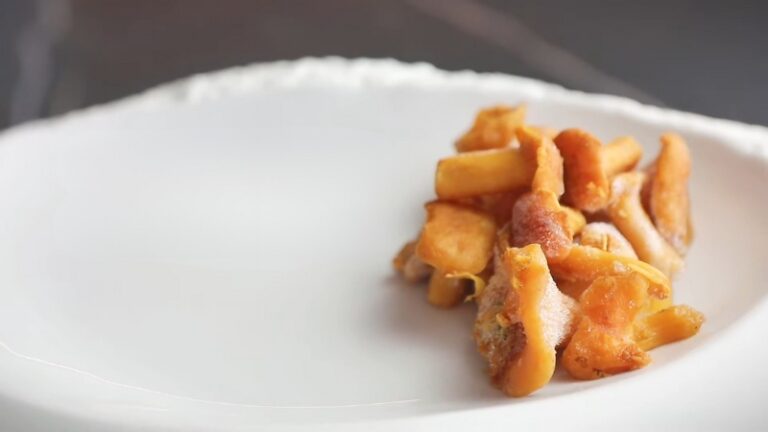
The most important thing to know about cooking frozen mushrooms is this: you do not need to thaw them before cooking.
In fact, cooking mushrooms straight from the freezer gives you the best texture, the least sogginess, and the richest flavor.
Mushrooms contain a very high water content.
When they thaw slowly at room temperature or in the fridge, that moisture leaks out, turning them soft and watery.
But when they hit a hot pan directly from frozen, the steam evaporates quickly, allowing them to brown evenly and keep their structure.
1. Can You Cook Mushrooms from Frozen? Yes, and It’s Better
Mushrooms behave differently from most vegetables because they have porous cell walls filled with water. Freezing ruptures some of these cells, which can make the texture softer once cooked. But the key is controlling how that water is released.
Cooking from frozen allows steam to escape immediately, preventing mushrooms from simmering in their own moisture. This helps them regain a firm, meaty bite and ensures they brown properly.
Pan-frying, sautéing, and roasting are the best methods for frozen mushrooms.
If you thaw them first, the thawing liquid dilutes flavor and prevents caramelization. So skipping defrosting is both easier and tastier.
2. The Best Way to Cook Frozen Mushrooms: Step-by-Step
The goal is to quickly evaporate excess moisture before the browning stage begins. That means start hot, keep the pan roomy, and avoid adding oil too early.
Here’s the basic sequence:
- Add frozen mushrooms to a dry, hot pan.
- Let the water release and evaporate completely.
- Add oil or butter only after the pan becomes mostly dry.
- Season toward the end, so salt doesn’t pull out water prematurely.
- Lightly brown for flavor and texture.
This simple approach works for sliced mushrooms, whole mushrooms, or mixed varieties such as button, cremini, shiitake, and oyster mushrooms.
3. Best Cooking Methods for Frozen Mushrooms
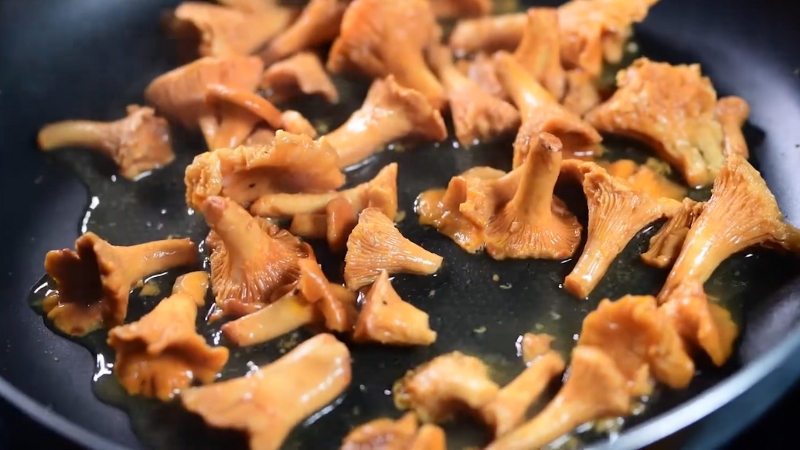
Different cooking techniques influence flavor and texture. Below are the top options and what they deliver.
Sautéing
The most reliable method. A hot skillet evaporates moisture quickly and brings out deep, savory flavors. Works perfectly for pasta dishes, grain bowls, omelets, and sauces.
Roasting
Roasting frozen mushrooms at high temperature (220°C or 425°F) gives excellent browning. Spread them out completely so they don’t steam. Ideal for sheet-pan dinners or as a topping for steak, pizza, or burgers.
Stir-Frying
In Asian-style dishes, frozen mushrooms integrate seamlessly. Just add them early in the cooking process to let the moisture evaporate before adding sauces.
Soup & Stews
Frozen mushrooms shine in soups because texture matters less. You can drop them directly into broth, risotto, or casseroles without additional prep.
4. Flavor Pairings and Seasoning Tips
Because frozen mushrooms lose a little natural moisture, they absorb seasoning extremely well once the pan dries out. To get the most flavor, season after the steaming stage.
Good pairings include garlic, thyme, rosemary, butter, soy sauce, balsamic vinegar, lemon zest, chili flakes, fresh parsley, and black pepper. Each pairing has a different effect: herbs bring freshness, butter adds richness, and soy sauce deepens umami.
Adding a splash of wine or stock near the end enhances glaze and prevents over-drying.
5. How to Freeze Mushrooms Properly (So They Cook Better Later)
View this post on Instagram
Not all frozen mushrooms are equal. The way they’re frozen determines how well they cook later. Mushrooms frozen raw tend to release more water and soften more.
Mushrooms blanched or sautéed before freezing hold structure better and offer a richer flavor once reheated.
| Method | Texture After Freezing | Best Use |
| Raw (uncooked) | Softer, more water release | Soups, stews, purees |
| Blanched (1–2 min) | Moderate firmness | Pasta, rice dishes, quick sautés |
| Pre-sautéed | Best texture and flavor | Stir-fries, pizza, omelets, and sauces |
Pre-sautéing is ideal if you care about browning and firmness. Blanching is good if you want a neutral base. Freezing raw works fine for long-simmer recipes but not for crisp dishes.
Freezing Steps for Best Results
To maximize texture and minimize ice crystals, prepare mushrooms like this:
- Slice them evenly if needed
- Blanch or sauté lightly
- Spread on a tray to freeze individually
- Transfer into airtight bags
- Label with date (use within 6 months for best flavor)
This prevents clumping and ensures even cooking later.
6. Should You Thaw Frozen Mushrooms?
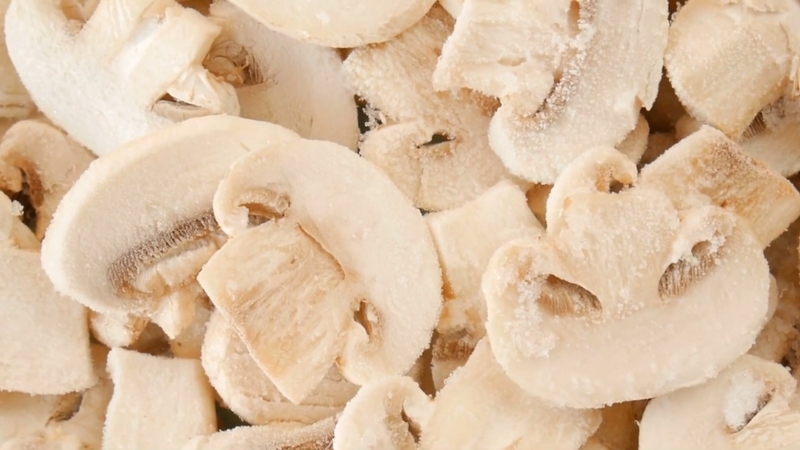
Most of the time, no. Thawing leads to unnecessary water leakage, which prevents browning.
Cooking directly from frozen solves this problem because the fast hit of heat turns water into steam instead of soaking the mushrooms.
However, there are two exceptions:
When Thawing Is Useful
- When making stuffed mushrooms, you need the caps to be dry enough to hold filling.
- When dehydrating or drying, thawing releases moisture that must be removed first.
Outside of these situations, keeping mushrooms frozen until they reach the pan is best.
7. How to Reheat Previously Cooked Frozen Mushrooms
If you freeze mushrooms after cooking them, reheating is easy but requires the right technique to avoid a rubbery texture.
Reheating should always be hot and fast:
- A skillet is best because it evaporates moisture quickly
- Avoid microwaving unless you’re mixing them into a dish
- A hot oven works for large batches
Reheating straight from frozen is again better because it keeps mushrooms from over-softening in their own thawing juices.
8. Using Frozen Mushrooms in Recipes
@sahradine I used my frozen mushrooms to make this quick and easy dinner. Free 🍉 #freezermeals ♬ HIND’S HALL – Macklemore
Frozen mushrooms adapt well to many dishes because their flavor deepens after freezing. They work especially well in:
- Cream-based sauces
- Risottos and rice dishes
- Omelets and scrambles
- Stir-fries and noodle dishes
- Soups and broths
- Pizza toppings
- Grain bowls and roasted vegetable trays
They integrate seamlessly because once the moisture evaporates, they behave like fresh, sautéed mushrooms.
9. Common Mistakes When Cooking Frozen Mushrooms
Most problems arise from treating them like fresh mushrooms. The most common issues include:
- Adding oil too early (creates sogginess)
- Overcrowding the pan without high heat
- Thawing them slowly in the fridge
- Cooking on low heat, which traps moisture
Correct technique prevents all these issues. High heat and a dry start are non-negotiable.
10. Storage and Safety Notes
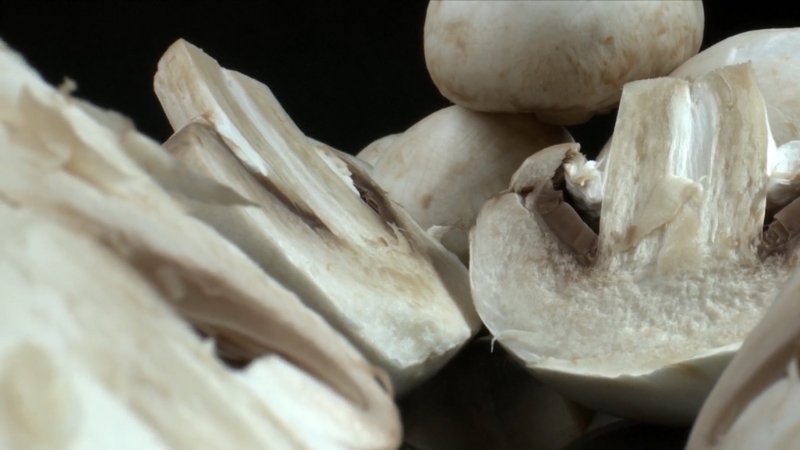
Frozen mushrooms stay safe for months, but their flavor peaks within six months. Beyond that, they become more watery and less aromatic.
Always store them in airtight bags or vacuum-sealed pouches to prevent freezer burn.
If mushrooms were previously cooked before freezing, they should not be refrozen after reheating. Only freeze once and reheat once.
Conclusion
The essential rule is simple: cook frozen mushrooms directly without thawing, use high heat, and let moisture evaporate before seasoning. This gives the firmest texture, richest flavor, and most consistent browning.
Baby Bella mushrooms offer a deeper, earthier taste than White mushrooms, which creates a fuller result once cooked from frozen.
Frozen mushrooms, when prepared correctly, become an easy, reliable ingredient that can elevate quick meals, batch cooking, and weeknight recipes.