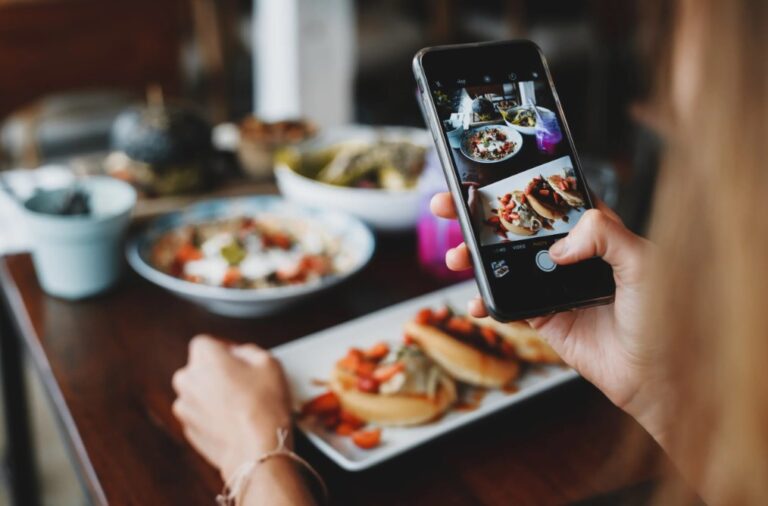
Social platforms play a major role in helping nutrition writers reach readers who care about food habits, wellness, and healthier living.
Instagram, TikTok, and YouTube offer powerful ways to grow visibility, build authority, attract loyal followers, and guide potential clients toward your blog.
These are channels that strengthen your presence differently, so a balanced approach creates long-term momentum.
Define Your Goals and Audience
Clear direction supports stronger decisions, sharper messaging, and a more consistent presence across all platforms. A well-defined strategy reduces confusion and keeps your efforts aligned with what matters most.
Setting goals helps determine which content deserves your energy. Content performs far better once you understand the specific outcomes you aim to reach.
Objectives that commonly guide nutrition creators include aims such as:
- Increasing blog traffic by directing viewers to recipes, guides, and in-depth resources.
- Building brand awareness through consistent visuals, recognizable style, and repeat messaging.
- Educating or inspiring audiences with practical, evidence-backed insights they can use right away.
- Acquiring new clients by presenting expertise in a clear, reliable way.
Achieving these aims requires clarity about the audience you serve. Strong insights into your viewers shape your story, your tone, and your visual decisions.
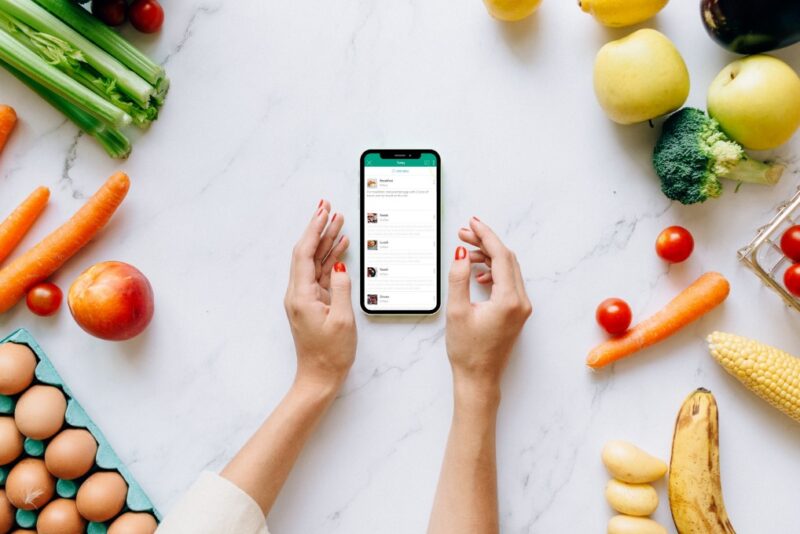
Identify Your Target Audience
Strong results come from knowing precisely who you want to reach. Every audience will have different expectations, pain points, and interests, and those differences influence how you create content.
Age range, gender, location, dietary interests, lifestyle details, and health concerns all play a role in shaping your message. A busy student searching for fast meal ideas will respond differently than someone adjusting to a new diagnosis or training for a sport.
Each platform also attracts distinct behaviors.
- Instagram appeals to those who gravitate toward polished recipes, wellness aesthetics, and short, bite-sized nutrition lessons.
- TikTok attracts fast movers who enjoy high-energy clips, trends, and quick motivation.
- YouTube supports viewers wanting longer explanations, step-by-step instructions, and trust-building educational formats.
Recognizing these distinctions allows you to place the right content in the right environment.
Content Design and Branding
Strong branding depends on clear visuals that communicate your message without distraction. A steady color palette supports recognition and signals what your content represents.
Green often aligns with healthy living, blue reinforces a science-backed tone, and other palettes can work as long as they remain consistent.
Clean structure keeps attention centered on nutrition insights rather than ornamental details. Many creators struggle with producing visuals that feel organized, readable, and aligned with their identity.
A free online printable poster maker offers an accessible option for shaping educational graphics, recipe summaries, tip sheets, and simple nutrition posters.
Such tools support creators who want to produce saveable content that viewers can print, pin, or store for future reference.
Strong posters also perform well on platforms that encourage sharing and saving, especially among followers who prefer structured materials they can revisit during meal prep or shopping.
A small logo or blog URL added to each visual helps maintain ownership and directs viewers back to your site for expanded content.
Consistency matters here as well, since repeated exposure builds recognition and reinforces credibility across Instagram, TikTok, and YouTube.
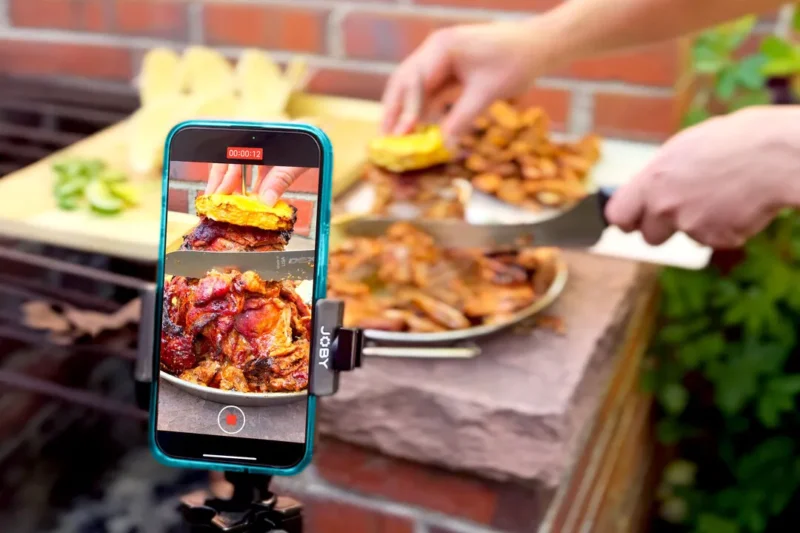
Choosing the Right Platform (And Why All Three Matter)
Strong multichannel presence improves discoverability, consistency, and audience connection. Each platform plays a different role, and using all three expands your reach.
Great visuals elevate nutrition content, and Instagram gives creators a powerful space for recipes, short tips, infographics, transformations, and mini blogs within captions.
Reels amplify reach, Carousels display multi-step processes, Stories and Lives create real-time interaction, and Guides help you classify evergreen content.
A relaxed tone and personal touch make it easier for viewers to trust your voice.
View this post on Instagram
TikTok
Short, energetic videos shine on this channel. Quick tips, myth-busting moments, and simple recipe hacks work especially well.
Features such as Hashtags, Duets, text overlays, and voiceovers keep your videos engaging.
Strong viral potential helps you reach younger viewers interested in simple ideas, humor, and immediate value.
YouTube
Long-form education thrives here. Viewers arrive ready to learn, so you can expand on complex nutrition topics in ways other platforms cannot support.
Chapters provide structure, Playlists categorize your content library, and monetization rewards long-term consistency.
Search visibility gives each upload longer relevance, drawing in viewers long after release.
Build a Cross-Platform Strategy
Strong coordination across platforms reduces workload and maximizes reach.
Start with your deepest content piece, then refine it into shorter segments for other channels.
Repurposing longer YouTube videos into shorter clips for Reels and TikTok creates a steady supply of material while keeping your message unified.
Tone and pacing must shift for each platform: quicker edits and punchy delivery suit TikTok, polished visuals strengthen Instagram, and steady, structured instruction works best on YouTube.
Tools such as Canva and CapCut allow quick revisions, matching colors, typography, and branding, so everything feels consistent.
Content Creation
Compelling content keeps your audience returning. Nutrition topics often spark curiosity, so offering clarity helps your content stand out.
Strong concepts include debunking persistent diet myths, sharing “What I eat in a day” content for audiences such as students, athletes, or busy parents, presenting 60-second recipes using simple methods, and turning blog posts into screenshot-friendly visuals.
Challenges like a “7-Day Hydration Challenge” encourage commitment and boost community involvement.

Writing Captions and Scripts
Well-written copy shapes how audiences interpret your message.
Scripts and captions should feel conversational, encouraging viewers to stay engaged.
Clear action prompts lead users toward the next step, such as visiting your blog or adding their own input.
Personal stories and everyday nutrition experiences help viewers relate to you. Straightforward, friendly vocabulary avoids confusion and builds trust, especially when explaining scientific concepts.
Build Engagement
Strong engagement improves visibility and builds community, creating a two-way relationship with your audience.
Ways to strengthen interaction include:
- Responding to comments, answering questions, and acknowledging direct messages.
- Using polls, quizzes, and open-ended prompts to encourage participation.
- Highlighting follower stories to show appreciation and motivate continued involvement.
Encouraging user-created posts can extend your reach. Hashtags such as #MyHealthyLunch give followers a way to share their creations.
Challenges and giveaways offer motivation and momentum.

Scheduling and Consistency
Consistent posting reinforces trust and helps your audience form viewing habits.
Planning tools such as Later, Buffer, and Meta Business Suite simplify organization and keep your schedule stable.
Suggested posting rhythm includes:
- Instagram: 3 to 4 posts weekly, including Reels, Carousels, and Stories
- TikTok: 4 to 5 short videos weeklyYouTube: one long-form upload plus one or two Shorts each week
The Bottom Line
Promoting your nutrition blog on Instagram, TikTok, and YouTube works best as a long-term strategy that combines value-driven content, platform-specific approaches, and steady engagement.
A clear plan helps convert viewers into blog readers and, eventually, clients. Starting small, staying consistent, and refining your message leads to sustainable growth.