
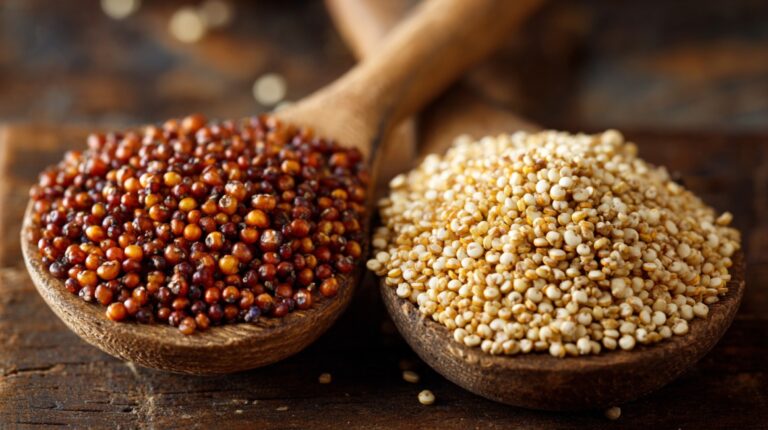
Ancient grains have gained attention as nutrient-dense options compared with refined grains used widely in modern diets. Growing interest ties closely to rising digestive concerns, blood sugar management, and demand for naturally gluten-free staples.
Whole grains that retain bran and germ often deliver more fiber, minerals, and plant compounds than refined counterparts, shaping how the gut responds after meals.
Quinoa holds a strong reputation as a superfood due to its protein quality, fiber content, and valuable micronutrients.
Many plant-based eaters rely on quinoa because it supplies all nine essential amino acids, a rare trait among grains. High nutrient density explains its popularity, yet digestive tolerance does not remain consistent across individuals.
Sorghum has resurfaced as a versatile and gut-friendly grain, long valued across Africa and Asia yet often overlooked elsewhere. Traditional use spans porridges, flatbreads, and fermented foods, reflecting broad adaptability and long-term dietary acceptance.
Renewed interest connects to digestive comfort, metabolic effects, and suitability within sensitive diets.
Sorghum vs. Quinoa – Nutritional Comparison
| Nutrient | Quinoa | Sorghum |
|---|---|---|
| Calories | ~222 kcal | ~632 kcal |
| Protein | ~8.1 g | ~20.4 g |
| Carbohydrates | ~39.4 g | ~138.4 g |
| Dietary Fiber | ~5.2 g | ~12.9 g |
| Fat (Total) | ~3.6 g | ~6.6 g |
| Iron | ~2.8 mg | ~6.5 mg |
| Potassium | ~318 mg | ~697 mg |
| Calcium | ~31.5 mg | ~25 mg |
| Magnesium | ~118 mg | ~354 mg |
| Manganese | ~1.2 mg | ~1.7 mg |
| B Vitamins (B1, B3, B6) | Moderate | Higher levels |
| Complete Protein | Yes | No |
| Gluten-free | Yes | Yes |
Closer inspection of nutrition helps explain why digestive reactions differ between these grains. Macronutrient balance, mineral density, and bioactive compounds influence overall health outcomes while shaping gut tolerance and comfort after meals.
Grain choice often affects energy levels, digestion speed, and how the body responds to fiber fermentation.
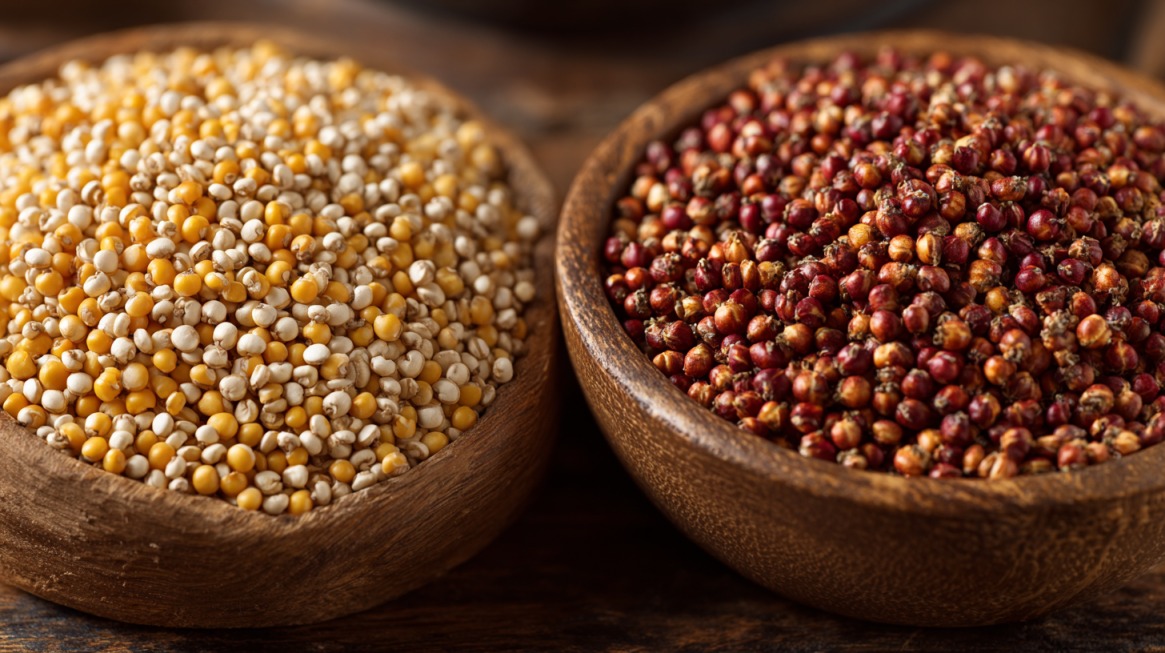
Macronutrient and Mineral Profiles
Quinoa provides complete protein with all nine essential amino acids, delivering about eight grams of protein and roughly five grams of fiber per cooked cup.
Amino acid balance supports muscle maintenance, tissue repair, and satiety, which explains quinoa’s strong position in plant-focused diets.
Sorghum can deliver higher total fiber along with notable mineral density, including manganese, magnesium, iron, copper, and several B vitamins. Mineral intake plays a role in energy production, oxygen transport, nerve signaling, and enzymatic reactions.
- Higher total fiber content across many sorghum varieties, supporting regular digestion
- Greater manganese and magnesium levels per serving, contributing to metabolic and muscular function
- Meaningful iron and copper presence that assists red blood cell formation and oxygen delivery
Certain preparations show sorghum offering protein and fiber amounts that rival or exceed quinoa, especially when whole-grain forms are consumed without heavy refinement.
Both grains remain naturally gluten-free, making them suitable options for individuals managing gluten intolerance or celiac-related dietary restrictions.
Bioactive Compounds and Antioxidants

Quinoa contains saponins, phenolics, and other phytochemicals linked with anti-inflammatory and cardiovascular benefits.
Saponins protect the plant but can irritate digestion if rinsing remains incomplete before cooking. Sensitivity often depends on gut condition, preparation habits, and portion size.
Sorghum supplies polyphenols and antioxidants such as ferulic acid and gallic acid. Protective compounds support oxidative balance and metabolic health.
- Cellular protection against oxidative stress that supports long-term tissue health
- Slower carbohydrate digestion, which contributes to steadier blood sugar responses
What Really Matters About Gut Health?
Digestive comfort depends on more than fiber quantity alone. Fiber type, resistant starch levels, fermentation patterns, and microbial balance all shape how a grain feels after eating. Foods that nourish beneficial bacteria often support smoother digestion and fewer symptoms over time.
Soluble fiber feeds helpful gut bacteria, encouraging the production of short-chain fatty acids that support colon health.
Insoluble fiber aids stool movement and regularity, reducing the likelihood of sluggish digestion. Grain-based prebiotics tend to work best when intake increases gradually, allowing the microbiome time to adjust.
Prebiotic effects linked with fibrous or fermented grains promote microbial balance and digestive comfort. Preparation style and portion size influence these effects just as strongly as nutrient composition.
Why Quinoa Can Be Tough on the Gut
Digestive reactions to quinoa vary widely. Some people tolerate it easily, while others experience bloating, pressure, or discomfort even with modest servings.
Sensitivity often reflects how fiber, protein, and plant compounds interact with an individual’s digestive system.
Natural Saponins and Digestive Irritation
Quinoa carries a natural outer coating containing saponins, compounds that deter pests and contribute bitterness. Removal requires thorough rinsing before cooking. Residual saponins can irritate sensitive digestive linings.
Incomplete rinsing may leave compounds that trigger stomach discomfort. Common reactions include mild cramping or increased gas, especially among people prone to gut sensitivity.
@oldways_pt What is an ancient grain? Registered Dietitian, Kelly LeBlanc explains! #ancientgrains #wholegrains #teff #quinoa #millett #wheat #grains #einkorn ♬ Lazy Sunday – Official Sound Studio
Fiber Density and Sensitivity
Quinoa offers valuable fiber support, yet rapid increases in intake may lead to gas or bloating. Fiber fuels gut bacteria, and sudden changes can overwhelm fermentation capacity.
High protein and fiber density may create a heavier digestive load for sensitive individuals.
- Large portion sizes are consumed in a single sitting
- Pairing quinoa with several other high-fiber foods within one meal
FODMAP and Other Sensitivity Considerations
Quinoa generally fits low-FODMAP guidelines, though tolerance varies considerably. Digestive response does not always align neatly with standardized dietary classifications.
Large servings still trigger bloating for some people despite an overall low-FODMAP status. Personal thresholds often matter more than generalized recommendations.
Why Sorghum Is Easier on Digestion
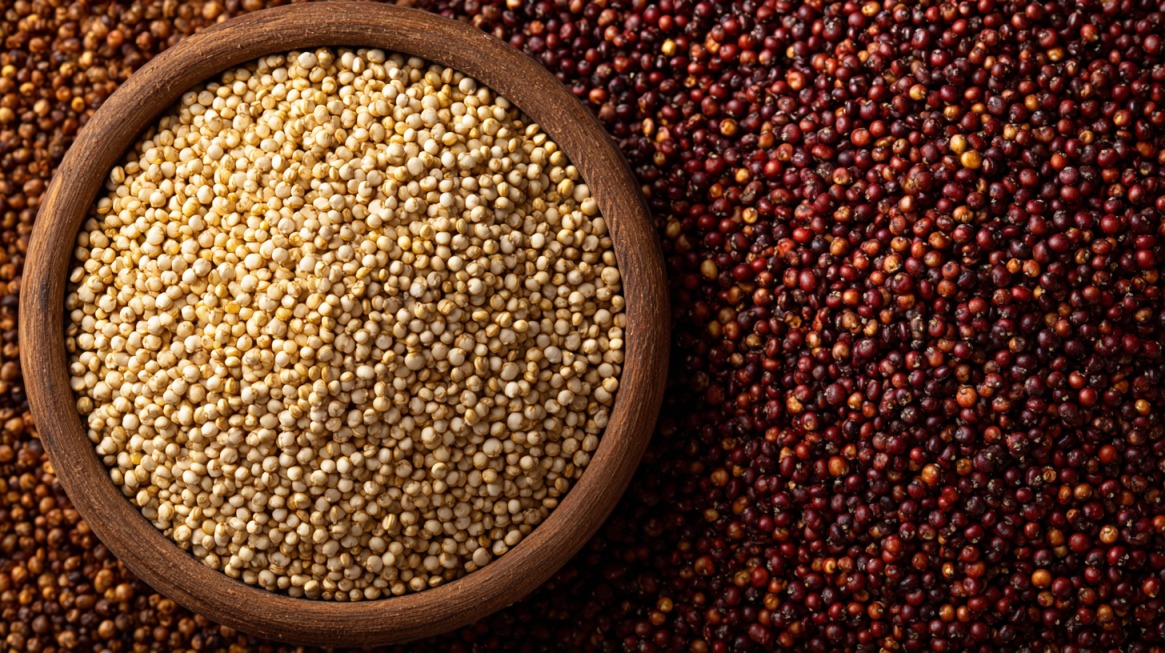
Sorghum often feels gentler for many individuals, particularly those managing IBS or frequent bloating. Fiber composition and starch behavior contribute strongly to this experience.
Fiber Composition and Gut Effects
Sorghum supplies both soluble and insoluble fiber, supporting intestinal movement while nourishing beneficial bacteria. Balanced fiber distribution helps limit excessive fermentation pressure that can cause discomfort.
Many low-FODMAP resources consider sorghum suitable in moderate portions for people managing sensitive digestion. Gradual introduction supports microbial adaptation and reduces unwanted symptoms.
Prebiotic and Resistant Starch Benefits
Resistant starch and soluble fiber within sorghum act as fuel for gut microbes. Fermentation of these fibers leads to the production of short-chain fatty acids that support colon health and motility.
- Improved stool consistency and regularity
- Reduced digestive discomfort over time
Summary
Quinoa remains nutrient-dense and valuable, especially for amino acid balance and fiber intake, though digestive comfort varies among individuals. Preparation and portion size play major roles in tolerance.
Sorghum offers a compelling option for gut support, featuring balanced fiber, prebiotic effects, and broad tolerance within low-FODMAP frameworks. Consistent intake often supports smoother digestion over time.
Grain selection benefits most when guided by personal digestive response, nutritional priorities, and long-term dietary goals rather than popular trends.