
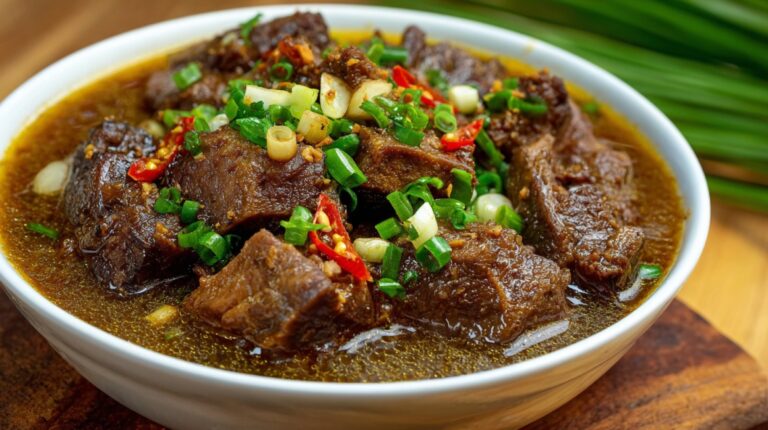
Beef Pares is a classic Filipino braised beef dish commonly served with garlic fried rice and a separate bowl of clear beef broth, making it a full and satisfying meal at street-side eateries and carinderias.
Comfort food defines this dish through tender beef, savory sauce, warming aromas, and a filling nature built on humble pantry staples.
Affordable spices play a major role in transforming this modest preparation into something that feels polished, layered, and restaurant-worthy without raising the budget.
Without further ado, let us begin.
Spice #1 – Star Anise
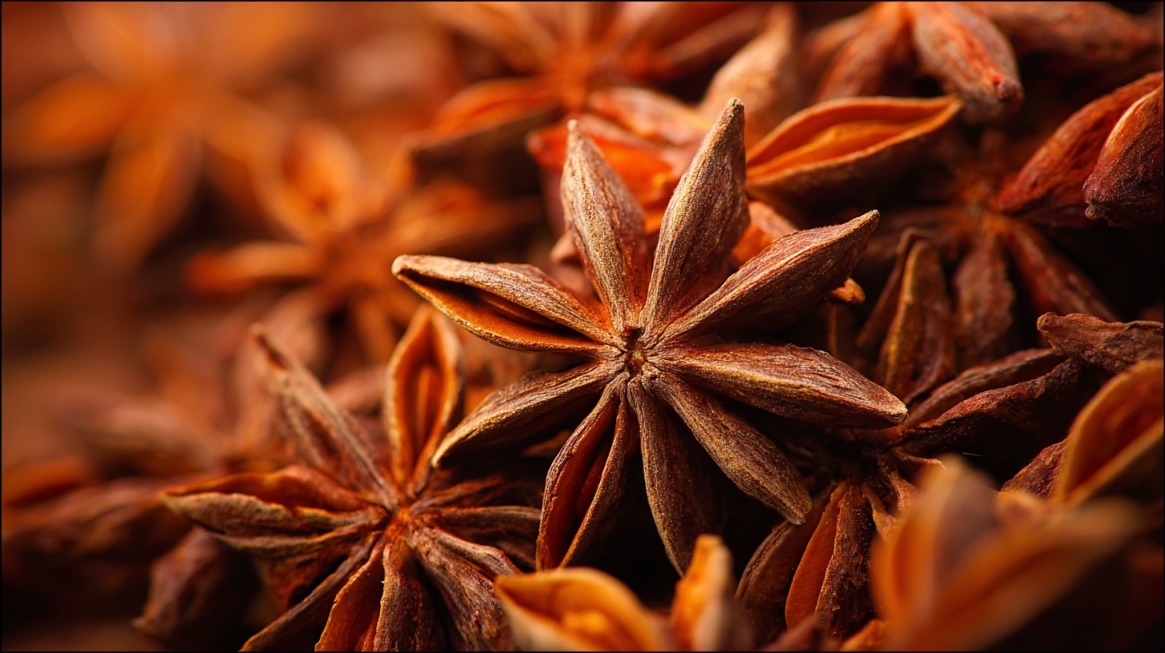
Our favorite spice you can use for beef pares is star anise. Star anise, which acts as a core spice in traditional Beef Pares, delivers a sweet-warm aroma paired with a gentle licorice scent that defines the dish.
Street-style pares relies on this spice to create an instantly recognizable fragrance as the beef slowly braises.
Controlled use allows star anise to perfume the sauce without dominating it, giving the dish a refined character that feels intentional rather than heavy.
- Whole pods release aroma gradually during slow cooking
- One to two pieces usually provide enough fragrance for an entire pot
- Extended simmering allows the sweetness to soften the savory soy-based sauces
Careful timing keeps star anise present yet balanced, helping modest ingredients produce a polished final result.
Spice #2 – Bay Leaves
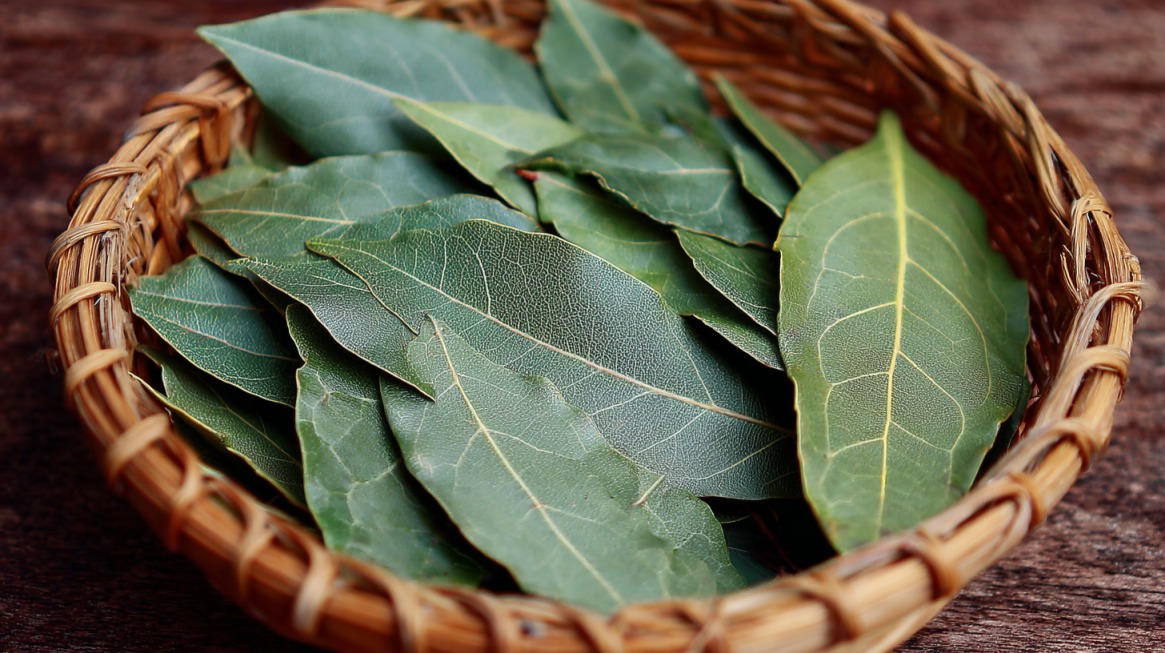
Bay leaves appear often in homemade Beef Pares and simmered beef broth to introduce subtle herbal notes that build slowly over time.
Gentle infusion during long cooking allows bay leaves to support other flavors instead of overpowering them.
Balanced seasoning depends on restraint, since bay leaves work best as a background element rather than a dominant note.
- Leaves added early allow herbal tones to infuse evenly
- Removal before serving prevents bitterness
- Pairing with star anise creates a layered aromatic base
Thoughtful use of bay leaves gives the sauce and broth a composed, well-rounded profile without additional cost.
Spice #3 – Whole Black Peppercorns
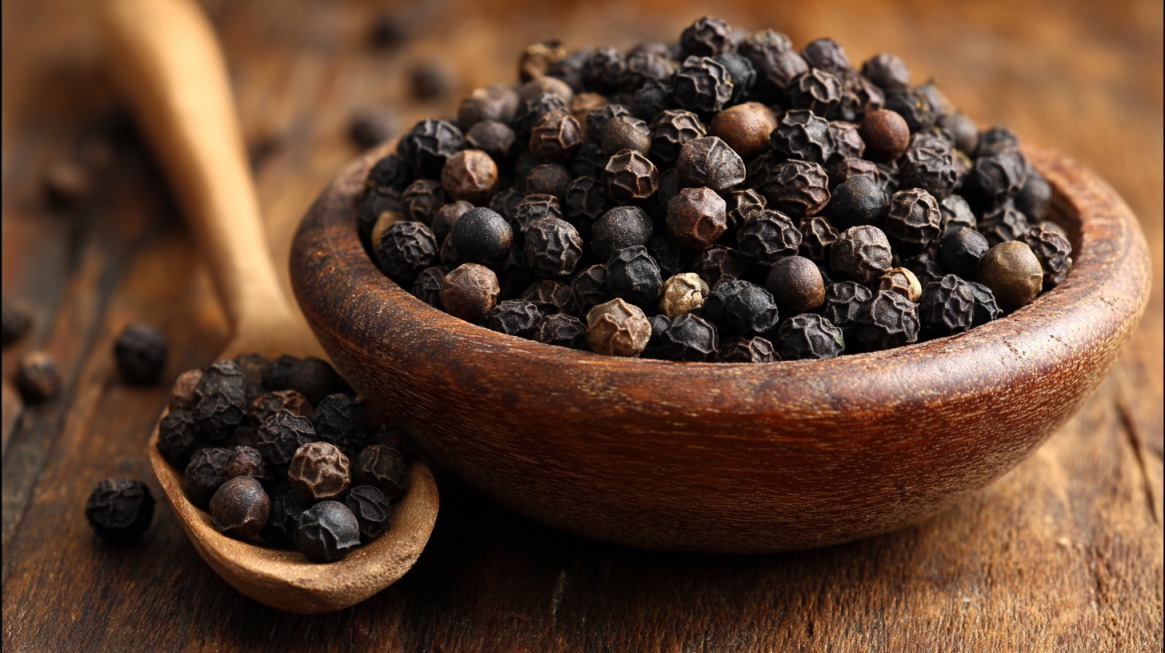
Next, whole black peppercorns bring earthy warmth and mild heat to many traditional Beef Pares recipes. Freshly cracked peppercorns release essential oils more effectively than pre-ground versions, especially during extended braising.
Improved extraction results in a fuller mouthfeel and lingering warmth that complements the sweetness of the sauce.
- Light cracking opens the peppercorn surface
- Slow heat pulls spice oils into the sauce
- Even distribution avoids sharp heat spikes
Measured use helps maintain balance while giving the dish structure and depth.
Spice #4 – Ginger
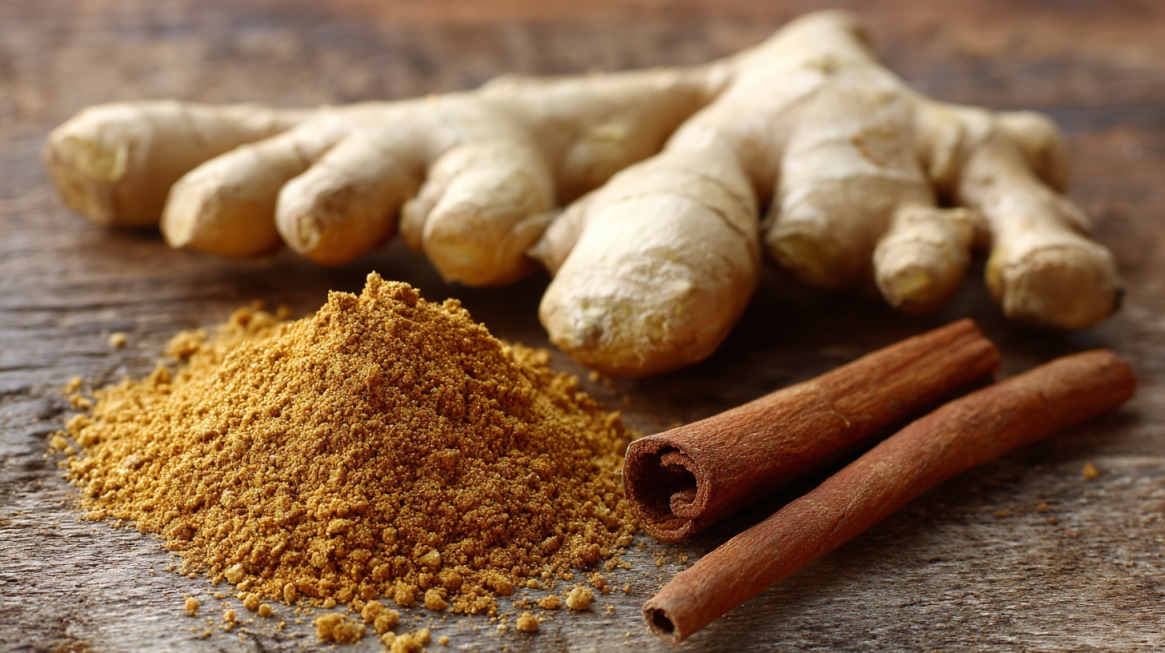
Ginger frequently appears in sautéed aromatics for both the beef and accompanying broth, serving as a balancing element against fatty cuts.
Fresh ginger cuts through heaviness while supporting savory and sweet components already present.
Clean warmth enhances soy sauce and sugar without masking them, giving the sauce clarity and lift.
- Thin slices provide gentle warmth
- Minced ginger intensifies aroma
- Early sautéing mellows sharp edges
Intentional preparation allows ginger to brighten the dish rather than compete with other seasonings.
Spice #5 – Five-Spice Powder
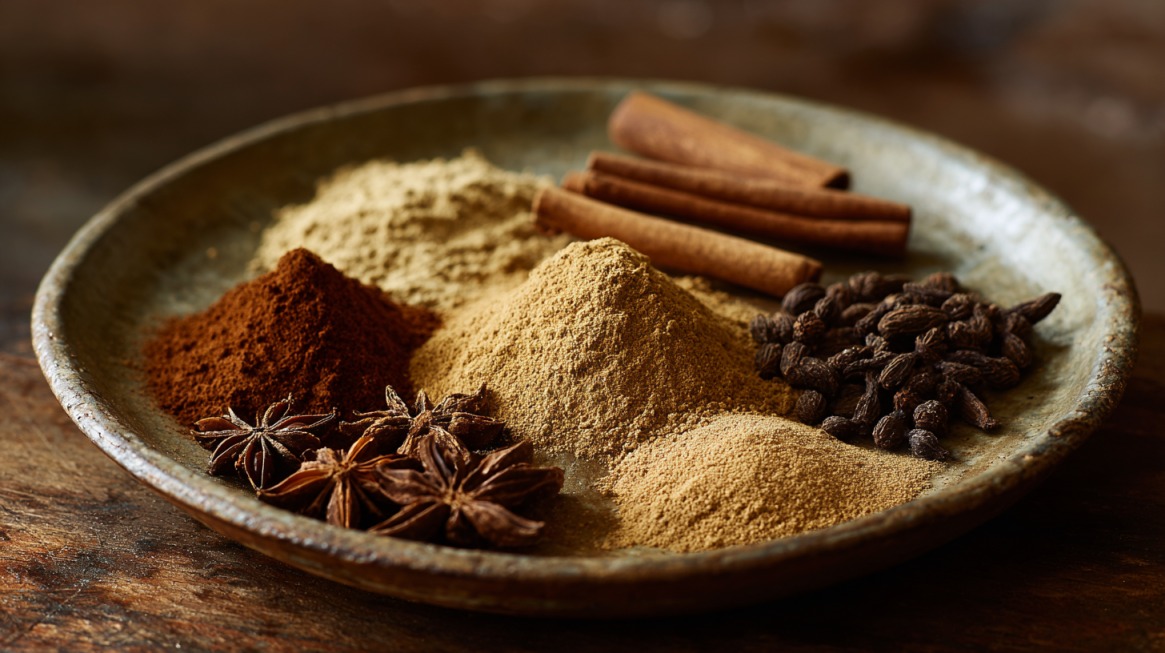
Five-spice powder appears in some Filipino Beef Pares versions alongside star anise and bay leaves, adding complexity with very little effort. Sweet, warm, and lightly minty notes help tie together savory soy sauce and the gentle sweetness already present in the dish.
Balanced seasoning allows five-spice to act as a quiet supporting element rather than a dominant flavor.
Careful measurement matters since this seasoning carries multiple spices in one mix.
Controlled use keeps flavors cohesive and polished instead of heavy.
- Pinch-sized amounts prevent overpowering other aromatics
- Late-stage seasoning keeps fragrant notes intact
- Pairing with soy sauce sharpens contrast between sweet and savory
Subtle use creates a layered taste profile often associated with more involved cooking, even though preparation remains simple and affordable.
Spice #6 – Garlic, Toasted or Roasted
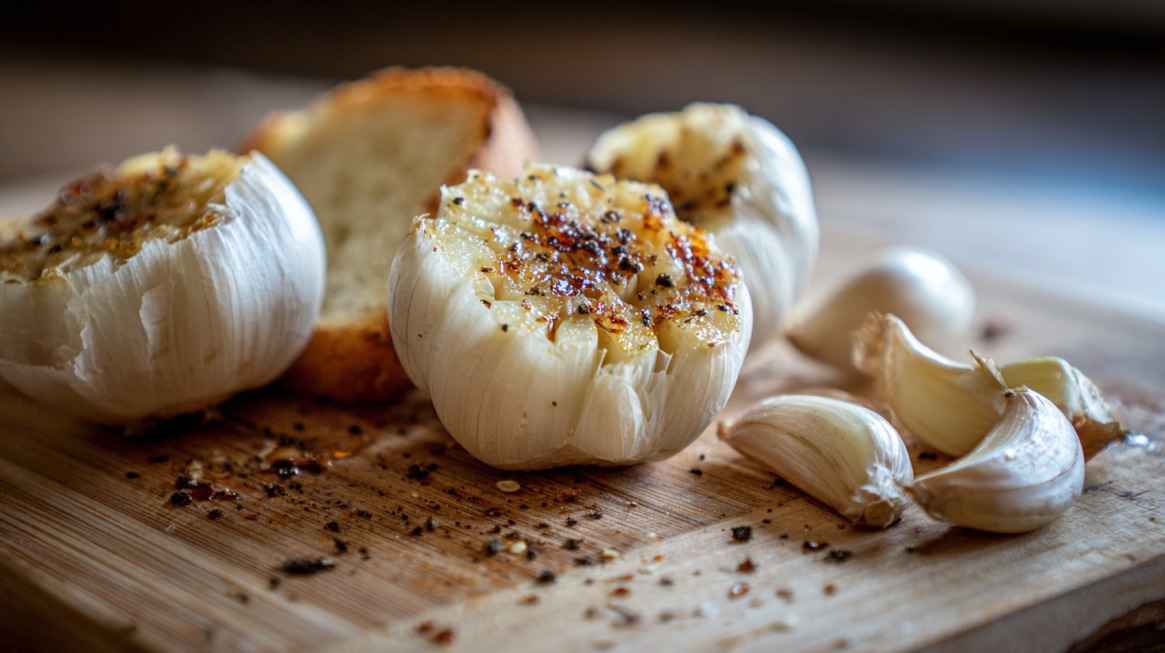
Garlic serves an essential role in both sinangag and braised beef preparations tied to Beef Pares. Repeated use across the meal creates continuity between rice, sauce, and broth. Toasted or roasted garlic introduces a nutty aroma and deeper umami compared to raw cloves, adding warmth without harshness.
Texture and fragrance improve further when garlic appears as a finishing element rather than only an aromatic base.
- Slow toasting avoids bitterness and uneven browning
- Crispy garlic adds contrast against tender beef
- Scallion pairing brings freshness and visual balance
Layered garlic use strengthens aroma, texture, and mouthfeel across the entire meal, giving Beef Pares a more complete and thoughtfully prepared character.
Spice #7 – Ground Black Pepper or Chili Flakes
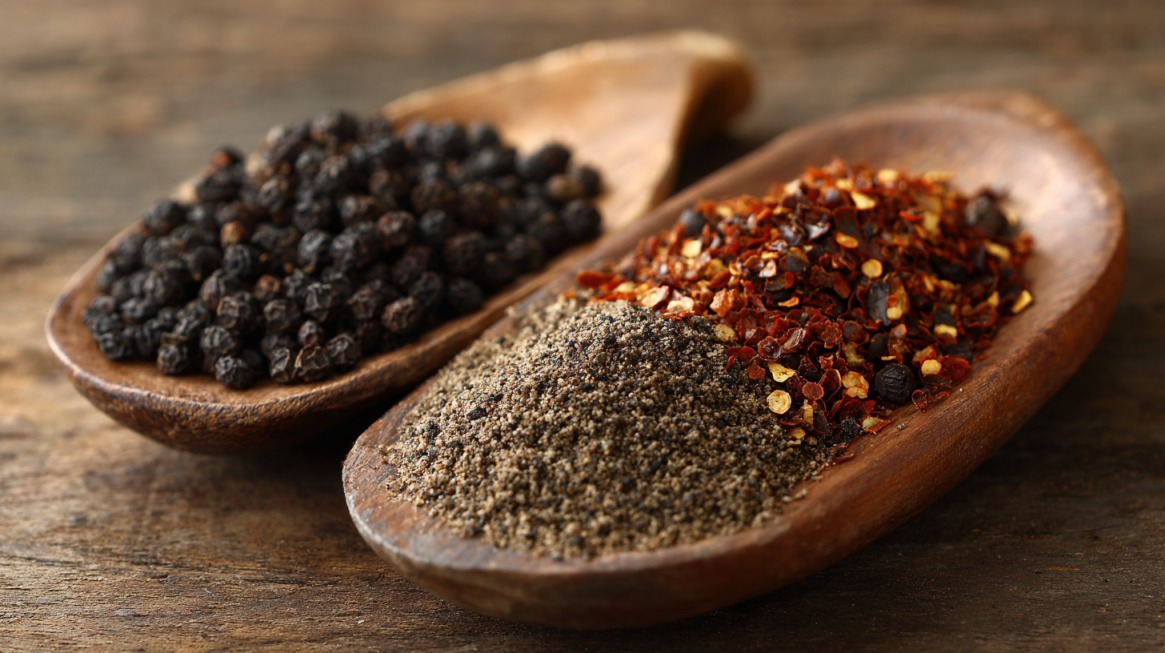
Finally, using ground black pepper or chili flakes works well as finishing spices added close to serving time. Sharp heat sharpens sweet and savory notes already present in the sauce.
Chili flakes introduce controlled heat that adds energy without overwhelming the dish.
- Light sprinkling maintains balance
- Chili flakes add visual contrast
- Fresh grinding boosts aroma instantly
Final touches give Beef Pares a restaurant-quality edge at minimal cost.
How These Spices Amplify Beef Pares Flavors
Soy sauce, sugar, ginger, garlic, and star anise form the classic foundation of Beef Pares, creating a balance of salty, sweet, and aromatic notes that define the dish. Supporting spices build on that base and allow flavors to unfold gradually during slow cooking rather than hitting all at once.
Timing and restraint shape the final taste more than ingredient cost, allowing simple components to work harder together.
Layered seasoning becomes noticeable as the beef braises and the sauce thickens.
Sweetness, heat, herbal tones, and earthy notes support one another rather than competing. Star anise softens the saltiness of soy sauce, sugar balances spice, ginger cuts heaviness, and pepper adds structure. Bay leaves and five-spice quietly connect these elements, keeping the sauce cohesive.
Careful spacing of spices also prevents overpowering any single note. Long simmering mellows sharp edges and allows oils and aromas to settle evenly into the beef and sauce.
Thoughtful seasoning turns humble street food into a dish that feels intentional, layered, and satisfying, all while relying on affordable pantry staples already common in many kitchens.
The Bottom Line
Beef Pares does not require costly components to taste polished and satisfying.
Smart use of affordable spices creates depth, balance, and aroma that rival more elaborate preparations.
Experimenting with these seasonings helps unlock the fullest potential in every pot of Beef Pares prepared at home.