
Freezing mushrooms the right way is absolutely possible, and when done correctly, it preserves their flavor, texture, and nutritional value for months. The key truth is simple: mushrooms should rarely be frozen raw.
Because they contain a very high percentage of water, raw freezing causes cell walls to rupture, which leads to a soggy, rubbery texture once thawed.
The correct method involves cleaning, slicing, and lightly cooking mushrooms before freezing, whether by sautéing or blanching.
This single step is what separates freezer-burned disappointment from mushrooms that still work beautifully in soups, sauces, and sautés.
Why Mushrooms Need Special Freezing Treatment
Mushrooms behave very differently from most vegetables in the freezer. They are not true plants but fungi, and their structure is built from delicate cell walls that collapse easily under freezing conditions. When water inside those cells freezes, it expands.
In raw mushrooms, this expansion destroys structure instantly. That is why thawed raw-frozen mushrooms often release water and turn slimy.
Cooking mushrooms first solves this problem by removing excess moisture and strengthening the remaining tissue. Heat also stops enzymatic activity that continues even at low temperatures and causes off-flavors over time.
This is the same principle used when blanching vegetables for freezing, but mushrooms respond even more dramatically to this step.
Which Mushrooms Freeze Best
Almost all common culinary mushrooms can be frozen successfully if prepared properly, but some perform better than others after thawing.
Freezing Performance by Mushroom Type
| Mushroom Type | Freezing Result | Best Use After Thawing |
| Button | Very good | Soups, sauces, stir-fries |
| Cremini | Excellent | Gravies, omelets, pasta |
| Portobello | Good | Cooked dishes, stews |
| Shiitake | Very good | Broths, ramen, sauces |
| Oyster | Moderate | Stir-fries, soups |
| Enoki | Poor | Best used fresh |
Thin, delicate mushrooms tend to lose more texture than thicker, denser varieties. That does not mean they are unusable, only that they work better in dishes where texture is less critical.
Step 1: Cleaning Without Waterlogging
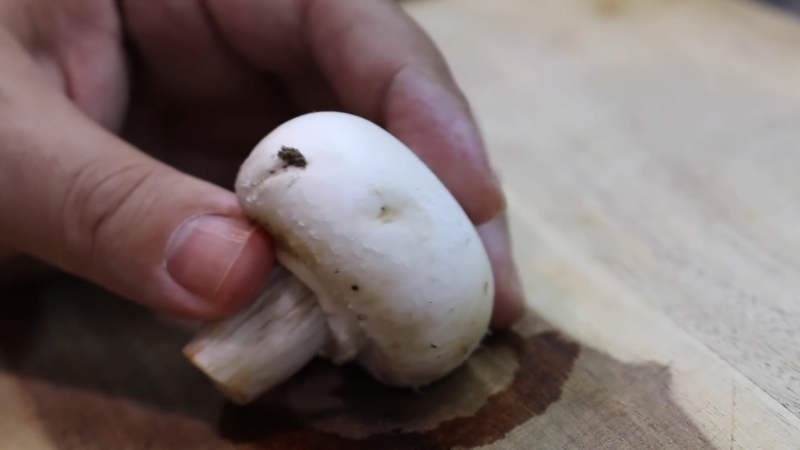
Mushrooms should never be soaked in water before freezing. They absorb moisture quickly, which makes texture loss worse later. Instead, cleaning should always be done gently and dry.
Use a soft brush, dry towel, or lightly damp paper towel to remove dirt. If rinsing is necessary, it must be quick and followed immediately by thorough drying.
Any surface moisture left behind becomes ice crystals later, which damages the structure during freezing.
Once clean, trim the ends of the stems and slice the mushrooms into the sizes you normally cook with. It is always better to freeze mushrooms already portioned for real use.
Step 2: Cooking Before Freezing (The Most Important Step)
View this post on Instagram
This step determines whether your frozen mushrooms will be usable or disappointing. You have two reliable options: sautéing or blanching.
Sautéing produces better flavor and texture for most recipes, while blanching works well if you want neutral mushrooms for later seasoning.
Sautéing Method (Best for Most People)
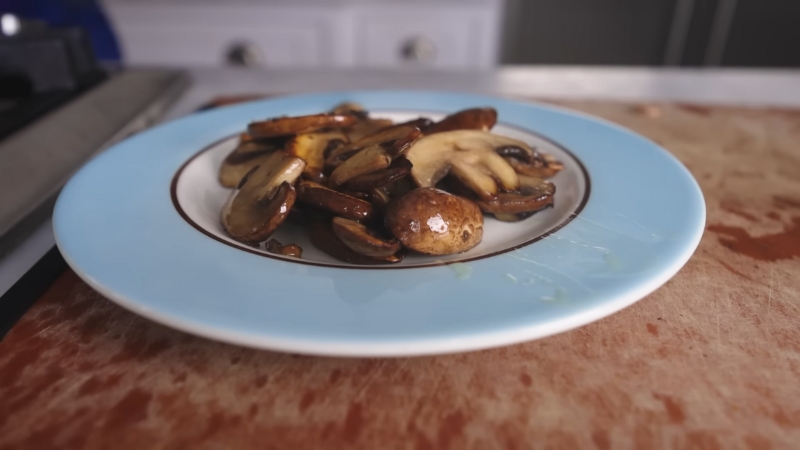
Mushrooms are cooked lightly in a wide pan with a small amount of oil or butter over medium heat.
The goal is not browning deeply, but releasing internal water and letting it evaporate. Once the mushrooms soften and most moisture is gone, they are ready.
Blanching Method (Best for Neutral Storage)
Mushrooms are placed in boiling water for 1 to 2 minutes, then transferred immediately to ice water. After cooling, they must be dried extremely well. This method preserves color well but results in a slightly softer texture than sautéing.
Cooking Method Comparison
| Method | Flavor Result | Texture After Thaw | Best For |
| Sautéing | Rich, savory | Firmest | Everyday cooking |
| Blanching | Neutral | Slightly softer | Soups and stocks |
Step 3: Proper Cooling Before Freezing
Hot mushrooms should never go directly into the freezer. That creates condensation inside storage bags, forming ice crystals that damage quality.
After cooking, mushrooms should cool fully at room temperature first.
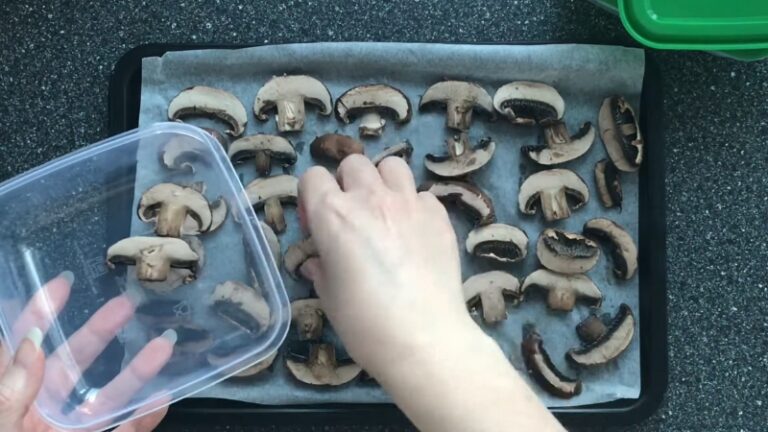
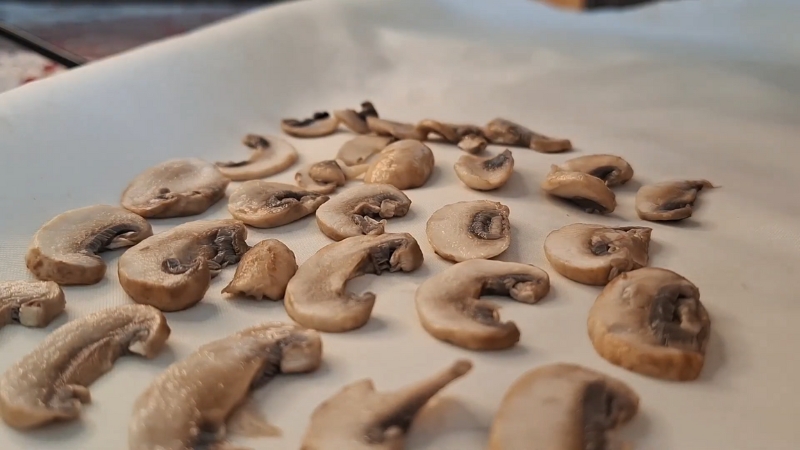
Once cooled, many people use a flash-freeze step by spreading mushrooms on a baking tray in a single layer and freezing them uncovered for one to two hours.
This prevents clumping and allows you to portion later without breaking frozen blocks.
Step 4: Packaging to Prevent Freezer Burn
Freezer burn happens when air reaches the surface of food and dehydrates it over time. Mushrooms are especially vulnerable because of their surface area and moisture content.
Proper packaging is what determines whether mushrooms last three months or ten months with good quality.
Best Packaging Options
| Packaging Type | Protection Level | Recommended |
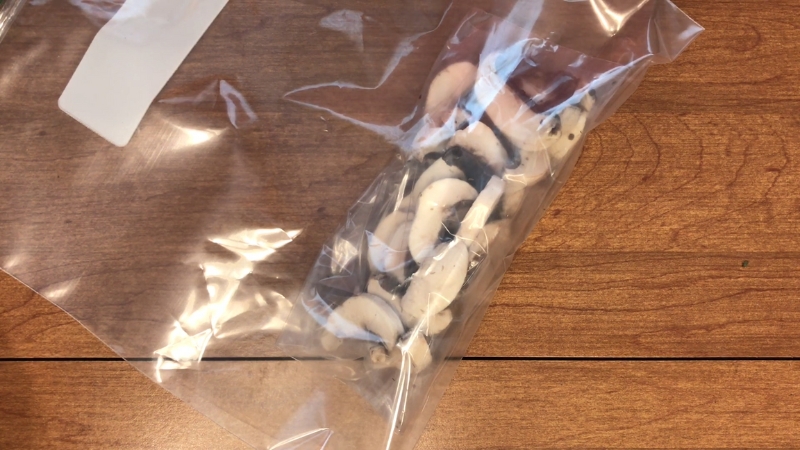
| Freezer zip bags (air removed) | Good | Yes |
| Vacuum sealing | Excellent | Best option |
| Rigid freezer containers | Good | Yes |
| Thin grocery bags | Poor | No |
Before sealing bags, remove as much air as possible. Label every package with the date. Even properly frozen mushrooms slowly lose texture after the 10–12 month mark.
How Long Frozen Mushrooms Stay Fresh
When mushrooms are cooked before freezing and stored at a stable temperature, quality remains strong for a long time.
Frozen Mushroom Storage Timeline
| Storage Time | Quality Level |
| 1–3 months | Excellent |
| 4–6 months | Very good |
| 7–9 months | Good |
| 10–12 months | Acceptable |
| Over 12 months | Texture and flavor decline |
They do not suddenly “expire” at one year, but a noticeable loss of aroma and firmness begins after that point.
How to Thaw Mushrooms Without Ruining Them
Frozen mushrooms do not behave like frozen meat. In most cases, they should be cooked directly from frozen, not thawed in advance. Thawing first causes water release, which makes dishes watery and dulls flavor.
For soups, sauces, casseroles, stir-fries, and risottos, frozen mushrooms go straight into the pan. They release a little moisture at first, but it evaporates quickly during cooking.
If thawing is necessary for a specific recipe, it should be done slowly in the refrigerator and followed by immediate cooking. Thawed mushrooms should never be refrozen.
Best Ways to Use Frozen Mushrooms
@joandbart Pasta With Mushrooms🍄 Pasta and mushrooms, one of our all time favourites!😍 It might be one of the easiest recipes on our page but damn, it’s so good! 🔥 Don’t hesitate to add your favourite fresh herbs and enjoy this delicious pasta dish! Ingredients: Pasta Butter Onions Garlic Brown mushrooms White mushrooms Cream Vegetable stock Parsley Sweet paprika Cornflour Salt & pepper We hope you like it!❤️ The full recipe is in our Ultimate Pasta Cookbook, link in bio✨ #pasta #mushrooms #delicious #food #foodies #creamy #fyp ♬ TRINIX Vaitimbora feat Mari Froes – TRINIX
Frozen mushrooms are at their best in dishes where moisture and softness are part of the cooking process. They work exceptionally well in:
- Cream sauces
- Stews
- Pasta dishes
- Omelets and scrambled eggs
- Gravies
- Ramen and broths
- Casseroles
They are not ideal for raw salads, quick fresh sautés, or dishes where mushrooms are meant to stay crisp.
Common Freezing Mistakes That Ruin Mushrooms
Texture loss almost always comes from one of three errors. Freezing mushrooms raw is the most damaging mistake. Using poor packaging leads to freezer burn.
Thawing and refreezing break cell structure repeatedly and destroy quality.
Another underestimated issue is freezing mushrooms that are already old. Freezing preserves the condition; it does not improve it. Mushrooms going into the freezer should be firm, dry, and fresh.
Do Frozen Mushrooms Lose Nutrition?
Cooking and freezing cause very minimal nutrient loss. Mushrooms retain:
- Most of their B vitamins
- Minerals like selenium and potassium
- Fiber content
- Antioxidant compounds
Vitamin C declines slightly during heat exposure, but mushrooms are not a major vitamin C source to begin with. From a nutritional standpoint, frozen, properly prepared mushrooms remain highly valuable.
Conclusion
Freezing mushrooms the right way is not difficult, but it does require respecting their unique structure. Cleaning gently, cooking before freezing, cooling properly, and storing without air exposure are what preserve both flavor and texture.
When these steps are followed, frozen mushrooms remain a reliable, cost-effective kitchen staple for up to a year.
Instead of throwing away excess mushrooms from sales or harvests, freezing turns them into ready-to-use ingredients that save time, reduce waste, and make everyday cooking easier without sacrificing quality.